
Reviewed · HISTORICAL TOURS
Kuala Lumpur Heritage Walk
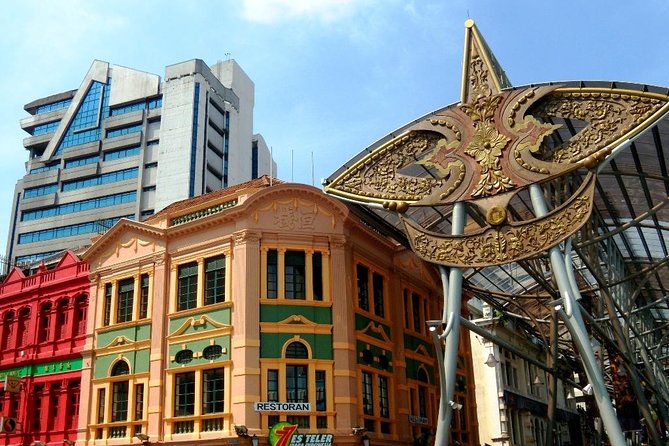
Kuala Lumpur has a knack for packing centuries into a few blocks, and this heritage walking tour is a smart way to experience that in one half-day. I like that you walk through the historic core, not just pose for photos, and I also like the mix of temples plus real Malaysian food tastings. One possible drawback: it is a moderate walking plan with several short stops, so if you want long, quiet time inside religious sites, this may feel a bit fast.
What makes it work is the people running it. Guides like Kristin, Sean, and Winnie lean into stories and hands-on moments, including playful temple participation when it is appropriate and you choose to join in. For me, the main thing to consider is weather and dress, because you will be outside and you are entering active places of worship.
Key highlights to look for
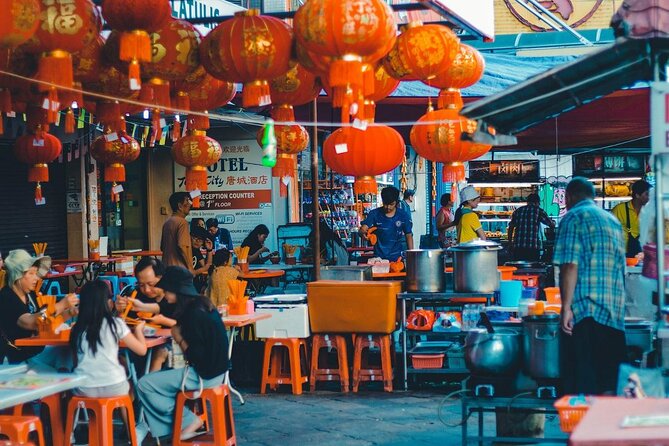
- Small-group size (max 10) for questions, pacing, and better attention at each stop
- Food tastings that move beyond the usual tourist snacks, with breakfast and lunch included
- Temple culture you can actively observe at Sin Sze Si Ya and Sri Mahamariamman
- City origin storytelling, including a stop at Sultan Abdul Samad Jamek Mosque
- Central Market and Chinatown route that helps you understand how communities settled and traded in the tin-mining era
A heritage walk that teaches Kuala Lumpur by walking it
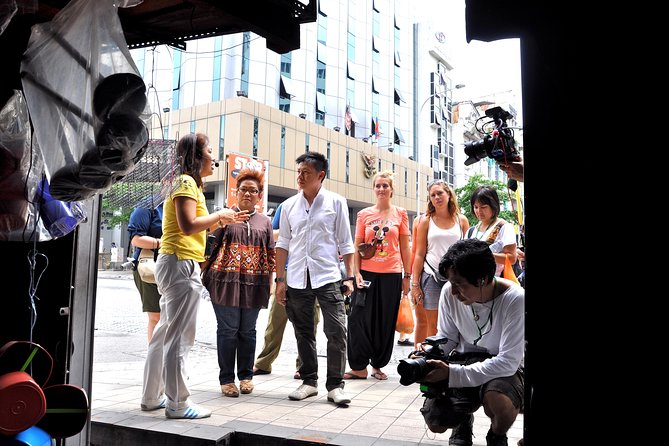
If you want an easy first taste of Kuala Lumpur’s culture, this is a very practical way to do it. You do not need a plan or a map app. Your guide does the connecting, from the former tin-mining settlement roots to how Chinese and Indian immigrant communities shaped daily life, worship, and food.
I also like the rhythm. The tour is built around short, focused stops, so you keep moving while still getting meaning. You start with breakfast, then jump to Taoist and Hindu temples, then shift into Chinatown and the local wet market scene, and finally end with mosque history and Indian cuisine lunch on Lebuh Ampang. It is not a museum day. It is a you-are-here day.
The small group size matters more than you might think. With a maximum of 10 people, guides can slow down for your questions, and they can help you navigate respectful temple behavior without making it awkward.
More Historical Tours in Kuala Lumpur
- Historical Malacca Guided Day Tour (Shared Tour)
★ 5.0 · 2,172 reviews - Kuala Lumpur: Batu Caves & Historic Buildings Tour
★ 4.7 · 539 reviews - Historical Malacca Day Tour from Kuala Lumpur (Private Tour)
★ 5.0 · 515 reviews
Central Market meetup at 9:00 AM, then a route that makes sense
You meet at the Tourist Information and Interaction Centre at Central Market, in the Central Market Annexe on Jalan Hang Kasturi. The start time is 9:00 AM, and the tour ends back at the meeting point. That is great for planning because you are not stranded across town when you finish.
The area is also convenient for public transport. If you are staying somewhere central, you can usually get there without a full day of commuting. And because the tour uses a mobile ticket, you can keep everything simple on your phone.
Two small practical notes. First, bring a tumbler if you can. Bottled water is included, and you can refill at their center. Second, you are told caps and hats are not included, so if the sun is strong for you, pack one. This is a walking plan with time outdoors.
You will also want to be ready with your passport details at booking, since passport name, number, expiry, and country are required for participants.
Stop 1, Restoran Yusoof dan Zakhir: breakfast that sets the tone
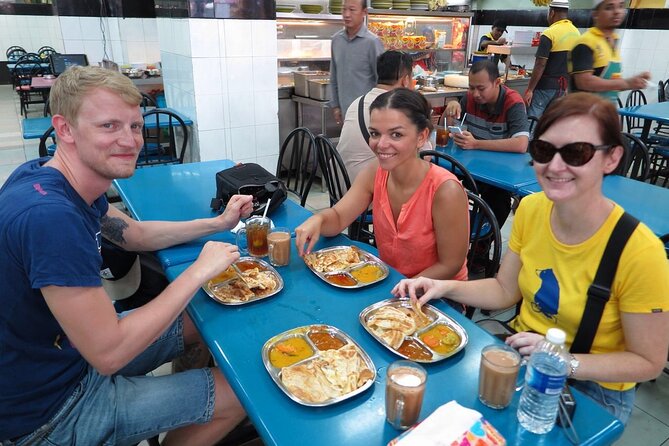
The tour begins at Restoran Yusoof dan Zakhir, where you eat a Malaysian breakfast. This is a quick stop, about 15 minutes, but it plays a useful role. Breakfast time anchors the day in everyday local life, not just temples and architecture.
Even if you think you already know Malaysian food, breakfast can surprise you. The point here is not to order everything. It is to sample and learn. A good guide will point out what you are tasting and how locals typically think about it, so you can leave with at least a few food ideas you can chase later on your own.
There is also a wider benefit: you start your walking route with the energy to handle humidity and short temple visits. If you skip breakfast back at your hotel, this tour will force you to pay for it later.
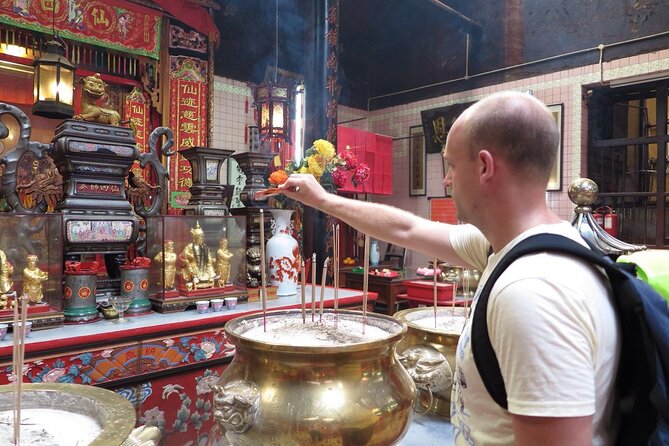
Sin Sze Si Ya Temple: Taoist practice, candles, joss sticks, and choice
Next comes Sin Sze Si Ya Temple. You get around 15 minutes here, focused on Taoist culture and religious practice. This is one of the stops where you can go beyond watching and actually participate, but only in ways your guide invites and that you choose to do.
The experience includes the chance to light candles and joss sticks, and to paste the Goodluck Man on the wall as a way to invite good luck. The key word in your instructions is discretion. Your participation level is up to you and your comfort.
I like this approach because it avoids the tourist version of religion. Your guide is there to help you understand what is happening and why. And the time limit means you will not wander around blindly. You know what you are looking at, and you know when it is time to move on.
Two practical considerations:
- Wear something that feels respectful and comfortable. Even when you are outdoors, temples expect modest behavior.
- If you do not want to participate in the candle or joss sticks ritual, you can still learn by observing. The important part is being mindful.
More Walking Tours in Kuala Lumpur
- Kuala Lumpur Local Street Food Private Walking Tour by Night
★ 4.5 · 224 reviews - Kuala Lumpur: Nightlife Walking Tour with Local Guide
★ 5.0 · 33 reviews - Half Day Cultural And Heritage Walking Tour in Kuala Lumpur
★ 5.0 · 28 reviews - Kuala Lumpur: Private Customized Walking Tour with a Local
★ 4.6 · 25 reviews
Sri Mahamariamman Temple: Hindu deities and worship explained at your pace
After Sin Sze Si Ya, you go to Sri Mahamariamman Temple. This stop lasts up to 20 minutes, and the time can stretch depending on guest interest. That flexibility helps because some people want quick context, while others want more explanation about Hindu deities and how worship works.
This is where you connect the dots between Malaysia’s multiple faith traditions and why they share the same neighborhoods. The guide frames what you are seeing in terms of culture and practice, not just aesthetics. You are not only looking at details like you would in a photo tour. You are understanding the role those details play for people who come here regularly.
The drawback to know about is simple: because the temple time adjusts to interest, the total pace of the day can feel slightly different depending on your group. If your schedule is tight later in the day, plan some breathing room.
Chinatown and the wet market: food that comes with local context
Then you head into Chinatown, including a stop that feels like a wet market. This part is about seeing daily life and sampling Chinese foods that locals know.
The market time is about 20 minutes, and it is exactly long enough to let your guide point, explain, and help you choose. It is also not so long that you get overwhelmed by too many new flavors at once. The tastings are designed to be manageable, and that matters when you are also touring temples.
I like this stop because it does what many food tours forget: it gives you context. You learn how people shop and snack, and you start to understand which foods are typical here versus what is mainly sold for visitors.
One consideration: market food is not always the easiest choice if you have strict dietary needs. You can request a vegetarian option ahead of time, and you should advise any dietary requirements at booking. That said, even with adjustments, tasting styles and ingredients can vary.
Sultan Abdul Samad Jamek Mosque: how Kuala Lumpur began
Next is Sultan Abdul Samad Jamek Mosque, where you spend about 15 minutes. The guide explains the story of how Kuala Lumpur began. Even if you have heard bits of KL’s origin story before, this stop gives you a walk-and-talk version, tied to what you see around you.
This is a good moment to pause and reset. After temples and markets, you get a different lens on the city, one focused on how the built environment and community life grew into what Kuala Lumpur is today.
Because this is a mosque visit, remember you are stepping into a functioning place of worship. Your job is to be respectful and follow your guide’s cues.
Lebuh Ampang lunch: Indian cuisine and street history in one stop
Finally, you reach Lebuh Ampang. The tour spends about 30 minutes here. Your guide shares history about this street’s past role, and then you stop for lunch featuring authentic Indian cuisine.
This is one of the best parts of the day for most people because it is both food and story. You learn how the street fits into the bigger pattern of migration and community life, then you eat in a way that feels grounded in the neighborhood.
The time is short enough to keep momentum, but long enough to feel like lunch instead of a quick bite. If you have been snacking at markets and temples, this is the moment your stomach (and brain) catches up.
Price and value: what $60 really covers in a 4-hour route
The tour costs $60 per person and runs about 4 hours. On the face of it, that is not “cheap,” but it is also not just a walk with a map.
Here is what you are paying for:
- An English-speaking local guide
- Small-group pacing (max 10)
- Food tastings, including breakfast and lunch stops
- Bottled water, with refills available if you bring a tumbler
If you price out guide time plus multiple tastings in Central Kuala Lumpur, the value starts to make sense. The big win is that you get access. In places like Chinatown and wet markets, knowing where to go and what to try is half the battle. A good guide turns that into a low-stress experience.
Also, the tour is booked about 20 days in advance on average, which usually means it is popular and calendars fill up.
The only “watch-out” is that the tour format is structured. If you want to linger at every storefront or spend extra time inside temples on your own, you will be happier with slower, more freeform plans.
Guides can make it special, and the best kind lean into interaction
The strongest praise around this tour is about energy and interactivity. You might get hands-on moments like learning food preparation, and you may be invited into parts of temple practice where appropriate. For example, one guide named Kristin was praised for interactive moments such as making roti, plus participating in a Chinese temple prayer and learning what those actions are meant to represent.
You might also hear stories that go beyond trivia. One guide named Sean is described as friendly and full of information, which matters because the best heritage walking tours explain why things exist, not only what they are called. Another guide named Winnie was noted for enthusiasm and knowledge, and one day even reportedly led to a community event like an Indian wedding when timing lined up.
Do not count on an unexpected event like that. But do take it as proof of something important: these neighborhoods are alive, and your guide is paying attention to what is happening around you.
Who this tour suits best, and who might want a different plan
This Kuala Lumpur Heritage Walk is best for:
- First-time visitors who want get-your-bearings-fast context
- People who like food tastings but also want to understand cultural practice
- Travelers who prefer small groups and a guide who answers questions
- Anyone interested in Chinese and Indian community traditions in KL’s historic center
You might want to skip it if:
- You dislike walking and would rather ride between stops
- You want lots of free time to shop or wander without a schedule
- You are looking for a purely architectural tour, with long temple interiors and less emphasis on food
And if you are bringing a child, keep in mind the minimum age is 11 years. So it is not aimed at little kids.
Should you book this Kuala Lumpur Heritage Walk?
I think you should book if your goal is a guided, meaning-filled introduction to Central Kuala Lumpur. The combination of Central Market, Chinatown, Sin Sze Si Ya, Sri Mahamariamman, and Sultan Abdul Samad Jamek Mosque, plus breakfast and lunch tastings, is exactly the kind of half-day plan that saves time while still feeling authentic.
Book it especially if you want something more than sightseeing. This tour teaches you how KL communities built daily life, where they worship, and what they eat, all without you needing to figure it out on your own.
If you like slower travel, consider pairing it with a free afternoon later. You will leave with food ideas and places you can revisit at your own pace.
FAQ
How long is the Kuala Lumpur Heritage Walk?
The tour lasts about 4 hours.
What is the price of the tour?
The price is $60.00 per person.
What is included in the tour?
It includes an English-speaking guide, bottled water (with refill available if you bring a tumbler), and food tastings.
Which places and stops will we visit?
You will visit Central Market and Chinatown area stops, including Sin Sze Si Ya Temple, Sri Mahamariamman Temple, Sultan Abdul Samad Jamek Mosque, and you will also have time for breakfast at Restoran Yusoof dan Zakhir and lunch on Lebuh Ampang.
Is a vegetarian option available?
Yes, a vegetarian option is available. You should advise that at the time of booking, and share any dietary requirements.
Is there an age requirement?
Yes, the minimum age is 11 years.
Can I get a full refund if I cancel?
Yes, you can cancel for a full refund if you cancel at least 24 hours before the experience start time.
Recently reviewed in Kuala Lumpur
- Kuala Lumpur Night Tour★ 4.0 · 27 reviews
- Kuala Lumpur Full Day City Tour★ 3.5 · 27 reviews
- Half Day Cultural And Heritage Walking Tour in Kuala Lumpur★ 5.0 · 28 reviews
- KL Tower Admission Ticket with Private Pickup from Hotel★ 3.5 · 28 reviews
- Elevated Flavors: Dine 282m Above Ground at Kuala Lumpur Tower★ 3.5 · 28 reviews
- Kuala Selangor Fireflies – Batu Caves Temple- Malawati Hill DayTour With Dinner★ 4.0 · 28 reviews
- Port Klang Cruise Excursion To KL City Tour (Per Vehicle Price)★ 5.0 · 29 reviews
- Private Halfday Batu Caves and Cultural Tour in Kuala Lumpur *26*★ 5.0 · 29 reviews
Historical Tours, compared.
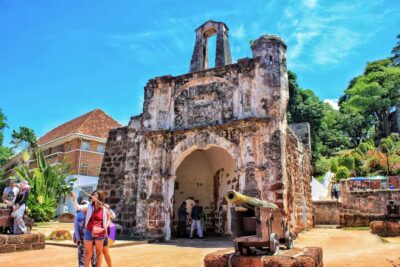
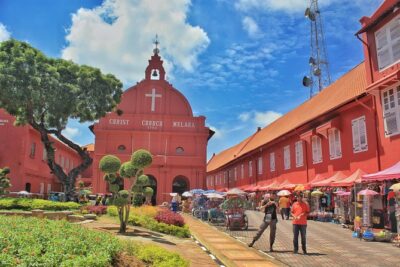
Historical Malacca Guided Day Tour (Shared Tour)
Read our review →
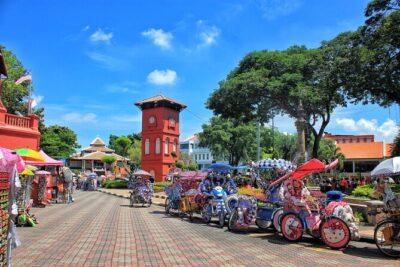
Historical Malacca Day Tour from Kuala Lumpur (Private Tour)
Read our review →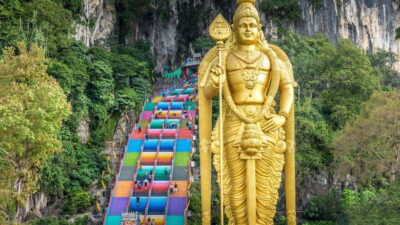
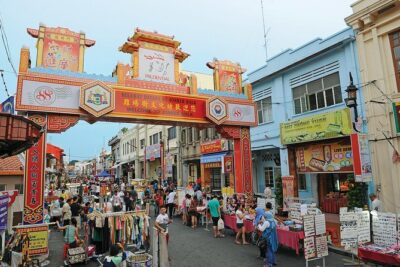
Historical Malacca Tour with Lunch from Kuala Lumpur
Read our review →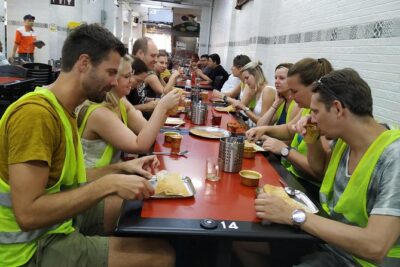
Penang George Town All-In-One Heritage Tour By Bicycle & Trishaw (Metro Bike)
Read our review →
Private Half-day Batu Caves and Cultural Tour Kuala Lumpur *2026*
Read our review →Browse the lists this tour appears in