
Reviewed · LANGKAWI TOURS
Birdwatching Tour in Langkawi
Birdwatching on Langkawi is interesting because you’re not just watching birds from a walkway, you’re moving through the places they actually use, from watery edges to higher rainforest ground. It’s a half-day outing with a local guide and a real focus on wild birds in their habitat.
Two things I really like: you get included field gear like binoculars and a scope, and you have a solid shot at both waterbirds and rainforest standouts like hornbills and kingfishers. If you’re building a bird list, this kind of planning helps you see more than just whatever happens to fly by.
One consideration: birding can mean a lot of time with your eyes up through binoculars, sometimes with birds that are far away. If you want constant action or close-up photos, this tour can feel slower than you expect.
Key Things You’ll Notice on This Langkawi Bird Tour
- Local guide-led birding focused on what you can spot in real conditions
- Morning or afternoon departure so it fits around your beach time
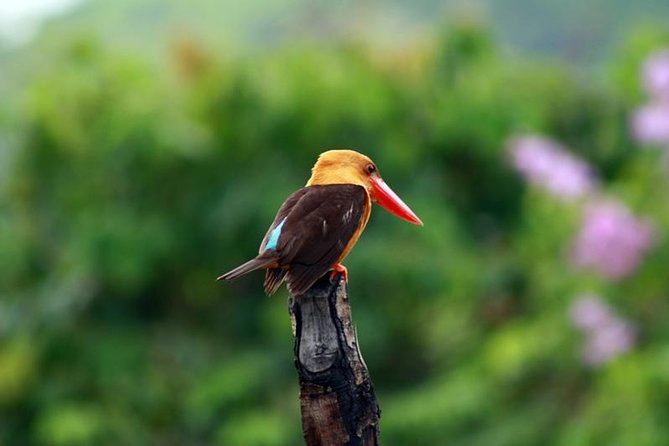
- Waterbirds plus rainforest species like kingfishers and hornbills on the same outing
- Binoculars and a scope provided, with a tip to bring your own
- Small group size, max 8 travelers, which makes spotting birds easier
- No bait, feeding, or bird calls, following Birdlife International best-practice guidelines
Half-Day Birdwatching in Langkawi, With Pickup and a Small Group
This is a practical, family-friendly way to spend your inland time in Langkawi. The tour runs about 4 hours, and the big convenience point is return transfers from your hotel anywhere in Langkawi. That matters because good birding often means moving to the right spots at the right time, and you do not want to spend that time hunting for transport.
JungleWalla keeps the group size to a maximum of 8 travelers, which is a quiet but important detail. In birding, spacing helps. When everyone crowds the best viewing point, you all lose sight lines at once. A smaller group makes it more likely you’ll actually see what the guide is seeing.
You’ll also get the field basics: an English-speaking nature guide, bottled water, and binoculars to use. The tour also mentions a scope, which is a real help for spotting birds at distance. If you’ve got your own binoculars, you’re advised to bring them, and I agree with that advice, because you already know how your model feels in your hands.
A few more Langkawi options worth a look
- Langkawi: Kilim Mangrove Boat Tour with Lunch and Pickup
★ 4.8 · 899 reviews - Langkawi : Premium Jet Ski Tour Including Dayang Bunting Island
★ 5.0 · 704 reviews - Langkawi Jet Ski Tour Dayang Bunting Free Drone Video
★ 4.8 · 517 reviews
What You Can Expect to See: Waterbirds, Hornbills, Kingfishers, and More
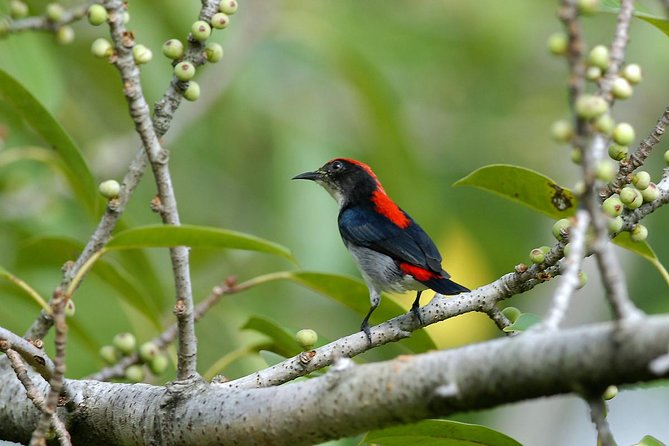
The attraction here is variety. You’re looking at birds tied to water and birds tied to mountain rainforest. The tour description points to examples like whistling ducks, egrets, and herons, plus rainforest targets such as great hornbills.
In real sightings, guides are often praised for turning up the birds people come for. I’ve seen sessions highlighted for spotting different kingfishers, including a common kingfisher with a fish. Other highlights people call out include eagles, pond herons, and hornbills like oriental hornbills, great hornbills, and pied hornbills.
Keep your expectations honest in a good way. This is not a zoo. Birds have their own schedule. You’ll likely get the best value by focusing on patterns rather than forcing a specific outcome. If your target is great hornbill, you might wait, scan, and relocate a bit. If your target is a kingfisher, you might get quick bursts of action around the water.
How the JungleWalla Bird Tour Unfolds, From Village Water to Higher Ground
The tour uses an outdoor route anchored around JungleWalla as a key stop. From there, the plan is to work different habitats in a single outing: starting around water edges and then heading toward higher, forested ground.
Here’s what that means for you during the walk:
- You’ll spend time scanning water-adjacent areas for herons and egrets, plus ducks and other waterbirds that show up when conditions are right.
- As you move toward more forested terrain, you shift from quick glances to slower searching. That’s where big, iconic birds like hornbills come into play.
The practical upside is that you are not wasting your afternoon only on shore birds or only on forest birds. You’re giving yourself a chance to see both categories, which is exactly what makes a half-day tour feel worthwhile.
The downside is that you might have moments where birds are present but hard to photograph. Even when you spot something, it may be perched high, partially hidden, or just out of your comfortable lens range. A scope can help a lot, but you still need patience and good technique, which I’ll cover next.
Binoculars and Scope Tips, Especially When Birds Are Far Away
The tour provides binoculars to use and mentions a scope, but I’d treat that as helpful support rather than a promise of perfect close-up photos. The reality with birding in Langkawi is that birds can be at a distance, and your success often comes down to how fast you can find the bird once the guide points it out.
A few habits that pay off:
- Use the guide’s search cues. When someone tells you to check a particular branch or look slightly lower than you first expect, do it immediately. Quick adjustments beat stubborn scanning.
- Slow down your movements. If you move your eyes and hands too fast, you miss the moment the bird turns its head.
- Share your focus. In a small group, make sure you’re not blocking the person behind you from seeing. Birding is a team sport outdoors.
For photos, I recommend thinking like a birder first, photographer second. Get the bird identified, then capture what you can. Many of the best memories from tours like this come from realizing you saw what you hoped for, not from a single perfect frame.
Also note the tour advises bringing your own binoculars. That usually means the provided pair may not match your personal comfort level, or availability can be limited. If you’re serious about birding, bring your favorite setup if you can.
Different day, same base in Langkawi:
- 5 Hours Sharing Basis Kilim Mangrove Safari Boat Tour in Langkawi
★ 5.0 · 504 reviews - Langkawi: Mangrove River Cruise Sharing 3 Hours
★ 4.6 · 474 reviews - Langkawi: UNESCO Global Geopark Mangrove Cruise
★ 4.9 · 383 reviews - Langkawi : Kilim Geoforest Mangrove Kayak Tour with Lunch
★ 4.9 · 358 reviews
The Guide Factor: How Sham, Afie, and Ikram Improve Your Chances
This type of tour lives or dies by the guide. You’re not only walking around and hoping. You’re learning how to spot birds and how to interpret what you’re seeing.
The names Sham and Afie come up in standout field experiences. People highlight guides who can share useful context while still staying laser-focused on spotting. That combination matters. If you understand why mangroves matter, for example, a kingfisher flying with a fish feels less like a random photo opportunity and more like part of an ecosystem.
Ikram is another guide name tied to plant knowledge as well as birding. That matters because it helps you read the habitat. If you can recognize the type of vegetation and how it connects to where birds feed or perch, your “empty scanning” time gets shorter.
One more important point: the tour follows Birdlife International best practices, meaning no feeding, no baiting, and no bird calls. That keeps wildlife behavior natural. The trade-off is that you do not control when the birds show up. A strong guide balances that with smarter placement and better scanning.
Pace and Fitness: Family-Friendly, But Bring Smart Outdoor Gear
The tour is described as family friendly and suitable for people with moderate physical fitness. Translation: it’s not a hardcore hike, but you should expect walking, standing, and repeated scanning.
Wear what helps you last outdoors in Langkawi sun and humidity. The tour recommends:
- Long sleeve shirts and long pants
- Walking shoes
- A hat and good sun protection
- Earth colors like green, brown, or black
- Avoid bright colors like red, yellow, and white
I like these rules because they protect you and also reduce visual disturbance. Bright colors can make you stand out in a way that birds notice.
Also, plan for the weather to be a real factor. The tour says it requires good weather. If conditions are poor, you’ll be offered a different date or a full refund. Even if you are not told exactly how long it will drizzle, you’ll be happier if you bring a light rain layer and keep your day flexible.
Matching This Tour to Your Birding Goals (Or Your Non-Birding Reality)
This tour works best if you fit into one of these buckets:
- You want a guided chance at hornbills and kingfishers plus waterbirds
- You like learning, not just ticking boxes
- You enjoy the slow rhythm of searching, spotting, and confirming
It may feel long if you are only casually curious about birds. In that case, you might spend a lot of time looking through binoculars. But even if you’re not a die-hard birder, the moment you see a hornbill or a kingfisher fishing, it tends to click.
A good compromise mindset is this: treat the tour like a wildlife education walk with bird bonus. The tour is built around wildlife encounters, and the guide’s job is to make the experience make sense, not just list birds.
Price and Value: Is $82 Worth It for 4 Hours?
At $82 per person, you’re paying for a few things that add up fast: hotel round-trip transfers, a local English-speaking nature guide, included field gear like binoculars and a scope, and the small group size capped at 8 travelers.
For me, the value hinges on whether the included gear and guidance reduce your own costs and stress. If you try to do this alone, you’d spend time arranging transport, finding the best areas, and learning where birds tend to show. Here, you skip a lot of that guesswork.
Also, $82 for an approximately 4-hour wildlife-focused outing is not cheap, but it’s not out of line either when you factor in pickup and specialized guiding. If your goal is to leave Langkawi with real bird sightings and at least some photos, the structure is built to help you get there.
Where You Might Want to Be Flexible With Expectations
A few honest considerations help you enjoy the day more:
- Bird distance can limit photos. Even when the guide spots birds well, the birds may stay far away.
- Your success depends on conditions. The tour requires good weather, and wildlife activity shifts with the day.
- You’ll do more scanning than you expect. Birding is patient work, and some people feel the time differently depending on how quickly they connect with what they’re seeing.
- Gear is provided, but you may prefer your own. That tour note to bring binoculars matters if you’re picky about fit and clarity.
If you can accept these points, you’ll get more out of the day. If you need nonstop action, you might consider a different kind of activity for the same afternoon.
Should You Book This Langkawi Birdwatching Tour?
If you want a guided half-day that mixes waterbirds and rainforest species, this is a strong fit. The small group size, hotel pickup, and included optics make it efficient. The no-bait, no-calls policy also keeps the experience natural, which I prefer.
I’d book it if:
- you care about seeing hornbills, kingfishers, herons, or egrets
- you like learning as you go, with a guide who can point out what you might miss
- you’re okay spending time scanning for the right bird moment
I would skip it if:
- you hate waiting and prefer activities with constant movement
- you only want close-up wildlife interactions
- you’re not willing to wear long sleeves and long pants outdoors for a few hours
FAQ
What does the tour include?
The tour includes return transfers from any hotels in Langkawi, an English-speaking nature guide, binoculars to use (the operator advises you bring your own), and bottled water. It does not include food and drinks.
How long is the birdwatching tour?
It runs for about 4 hours.
Do you offer morning and afternoon departures?
Yes. There’s a choice of morning or afternoon departure. The listed start time for the morning is 7:30 am.
Are binoculars and a scope provided?
Yes. Binoculars are provided to use, and the tour description also mentions a scope.
What should I wear for the tour?
Wear long sleeve shirts, long pants, walking shoes, and bring a hat and sun protection. The tour recommends earth tones like green, brown, or black, and to avoid bright colors like red, yellow, and white.
Is food included in the price?
No. Food and drinks are not included.
How many people are in a group?
The tour has a maximum of 8 travelers.
Can I cancel if the weather is bad?
The experience requires good weather. If it’s canceled due to poor weather, you’ll be offered a different date or a full refund. You also get free cancellation up to 24 hours in advance for a full refund.
Recently reviewed in Langkawi
- Langkawi: Countryside Bike Tour, Waterfall Swim & Dessert★ 4.9 · 28 reviews
- Half-day 4 Hours Kilim Mangrove Kayaking (Without hotel pickups)★ 5.0 · 33 reviews
- 2 Hours Jet Ski Tour Rookie Package★ 5.0 · 34 reviews
- Langkawi Half Day Island Hoping Tour- Sharing basis★ 3.5 · 34 reviews
- Countryside Biking Tour in Langkawi★ 4.5 · 39 reviews
- Langkawi Mangrove Group Boat Tour★ 4.6 · 40 reviews
- Langkawi Private Guided Tour – Top Highlights In a Day★ 4.5 · 40 reviews
- Langkawi International Airport Plaza Premium Lounge★ 4.5 · 41 reviews
Langkawi Tours, compared.

Premium Jet Ski Tour Including Dayang Bunting Island
Read our review →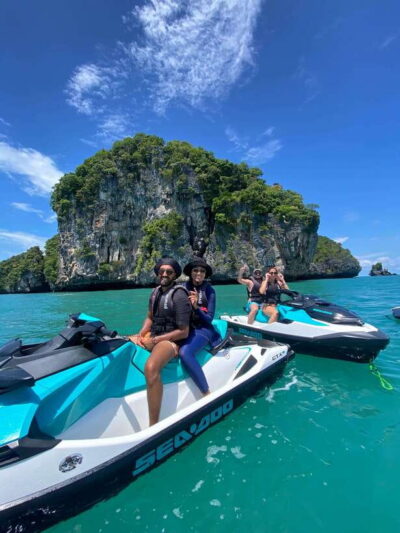
Langkawi Jet Ski Tour Dayang Bunting Free Drone Video
Read our review →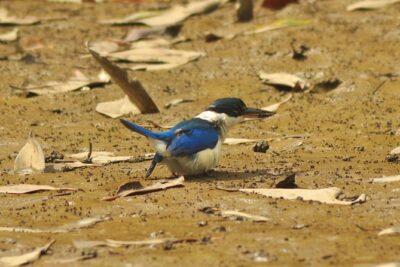
5 Hours Sharing Basis Kilim Mangrove Safari Boat Tour in Langkawi
Read our review →



Browse the lists this tour appears in