
Reviewed · TICKETS
Asia Camera Museum Admission Ticket
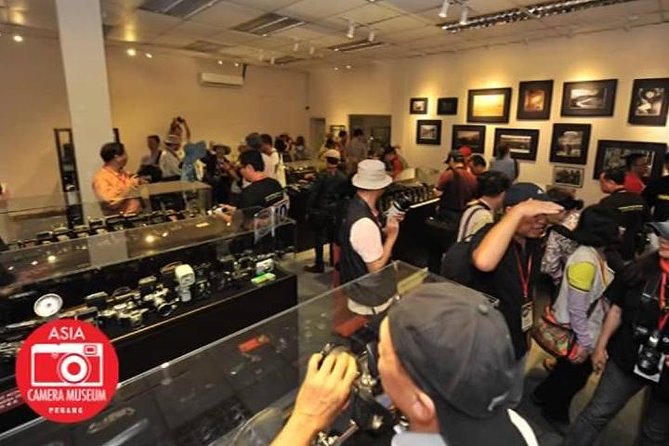
What makes the Asia Camera Museum in George Town interesting is that it treats photography like a craft, not just a display. You get hands-on time with old cameras and learn how images were actually made, from projection to development, often with May guiding the visit.
I especially like the mix of wow-factor tech you can see up close, like a rare Magic Lantern setup and a silent movie projector, plus the museum’s camera repair workshop feel. The main drawback is simple: you’re in and out in about 30 minutes to 1 hour, so if you want a deep, slow museum day, you may feel a little rushed.
Key highlights you should care about
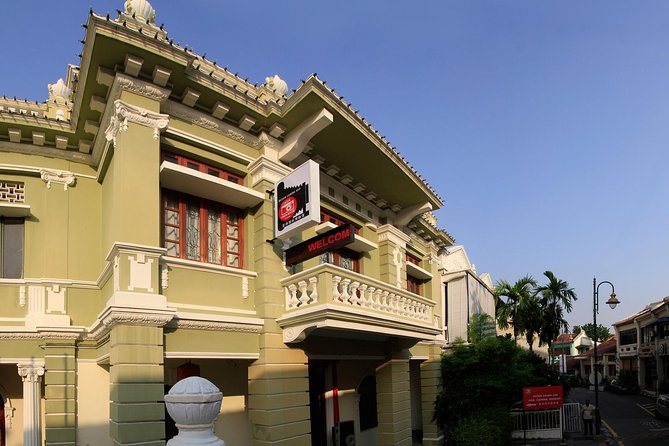
- Magic Lantern projector and hand-painted glass slides from the early 1900s
- Silent movie projector lit with an oil lamp and gear
- Darkroom experience showing how films were developed
- Camera repair work place with vintage tools from mechanical camera restoration
- Hands-on photo moments using functional old cameras and phone photos
- Over 1,000 cameras and accessories across the collection
Asia Camera Museum in George Town: what makes it feel real
George Town has plenty of photo spots, but this museum plays a different game. Instead of asking you to look, it asks you to do a bit of looking your own way, through old lenses and working equipment. The building and the pacing are built around that idea, so even if you just have a passing interest in photography, you’ll still end up with the fun of testing how these tools actually work.
What I love is the museum’s clear focus on the full photo chain. You don’t just see cameras sitting behind glass. You see the earlier “image show” world (projection), then the “make the image” world (developing), then the “keep it working” world (repair). It gives photography history a shape you can understand in minutes.
Second, the experience is designed for small groups. The maximum group size is 15, which matters here. With a bigger crowd, the hands-on moments can get chaotic. With a small group, you get more chances to try the cameras and ask questions.
More museums in George Town:
- Straits and Oriental Museum Ticket
★ 5.0 · 128 reviews - Quirky Art Museum called Ur-Mu in Bukit Bintang, KL
★ 5.0 · 49 reviews
Tickets, timing, and how long it really takes
Admission is $6.52 per person, and the visit is typically 30 minutes to 1 hour. That time window is short enough to fit between meals and other sightseeing, but long enough to cover the main stations: projection, darkroom visuals, camera repair tools, and hands-on camera use.
The museum runs 10:00 AM to 6:00 PM daily, with the same hours across the listed seasons. So you can treat it like a flexible stop on a hot day, or as a late-morning activity before you move on to walking the streets of George Town.
One practical note: you’ll need to print your confirmation voucher to redeem your ticket at the counter. If you’re traveling light and skipping printing, this can be an issue, so plan for it before you head over.
Also, you’re not buying a bundle that includes anything else. Tickets cover admission only, so you’ll want to handle snacks and drinks on your own nearby.
Magic Lantern projector and silent movie gear: the start of the show
One of the first things you’ll notice is that the museum doesn’t start with cameras. It starts with images being projected, like photography’s early cousins: story slides and silent film.
A standout is a rare Magic Lantern projector from the early 1900s, paired with an antique large-format hand-painted glass colour slide. Even if you’ve never seen a Magic Lantern in person, the point here is obvious fast. This is not a modern screen. It’s a mechanical light box that turns a painted slide into a projected scene, giving you a glimpse into how audiences once watched images before video and digital screens took over.
Right near that experience is a 35mm silent movie projector, illuminated using an oil lamp and gear. Again, this is the kind of detail that turns a museum stop into an “oh, wow” moment. Oil lamp light has a different feel than LEDs, and the gear-driven setup makes the technology visible in a way that modern equipment hides.
If you’re the type who likes context, this section pays off. It helps you understand that photography history includes showing images, not only capturing them.
The darkroom station: learning photo development without getting lost
Next comes the part that makes this museum especially useful for people who want real-world understanding: the darkroom and film development concept.
The museum has dark room spaces and activities created using techniques that date back to early photography. You’ll explore and learn about how films were developed, which is a huge piece of the story. Modern cameras can feel like instant magic, but film photography depends on steps you can’t skip. That’s why the darkroom matters so much in a camera museum. It explains why photographers were careful and why timing and chemistry mattered.
You don’t need to be an expert to follow along, either. The museum’s approach makes it a learning stop with visuals and practical explanation, rather than a lecture. The drawback is that the visit is still time-limited, so you might not get a full training session. Think of it as a solid introduction, not a certification course.
A few more George Town options worth a look
- Penang Plates Food Tour with 15+ Tastings
★ 4.9 · 734 reviews - Half-Day Penang Countryside Cycling Tour
★ 4.5 · 454 reviews - Penang: Flexible 6-Hours Highlights
★ 5.0 · 378 reviews - George Town, Penang: Malay Countryside Cycling
★ 4.7 · 287 reviews
Camera repair work place: where mechanical cameras live and die
Then you hit the workshop side of the story: a camera repair work place with tools that camera repairers used in the 1960s to repair and restore mechanical cameras.
This is the area I’d recommend to anyone who likes the “how it works” part of history. People often treat old cameras as antiques, but the repair station reminds you they’re machines. You see the tools, and you get a sense of what it takes to bring mechanical parts back to life after years of wear.
It also changes how you look at the cameras themselves. Once you’ve seen the idea of restoration and repair, the old designs feel less mysterious. They feel like engineered devices, with specific moving parts that needed care.
And because the group is small, you have a better chance to ask simple questions. For example, you might wonder what parts wear out first, or why certain mechanisms need careful handling. The staff member leading the tour can usually steer you toward the right explanation.
Hands-on cameras and phone photos: leave with real images
This museum earns its repeat visits with the hands-on part. Instead of making you stare, it builds in time to touch and feel vintage cameras and try taking photos using some working equipment.
In practical terms, that means you can use your phone while aligning it with older camera setups for cool retro vibes. The experience isn’t just about pressing buttons. It’s about seeing how old camera operation shapes the look of an image and how different the process feels compared to modern auto modes.
This is also where guide support matters. If the guide for your group is May, you’re in good shape. The tour approach described in the experience centers on being friendly, hands-on with the equipment, and actively helping you take the shots. That combination, small group plus guidance, is exactly what turns a “camera museum” into something you’ll actually remember.
A quick consideration: hands-on doesn’t mean unlimited. With the time window, you’ll get a fair turn at the equipment, but you won’t have hours to experiment like a workshop. Still, for most visitors, it’s plenty.
Over 1,000 cameras and accessories: why the collection size works
The Asia Camera Museum isn’t one-room small. It has more than 1,000 items and relevant accessories, covering a broad spread of photography tools and related artifacts.
That matters for two reasons. First, bigger collections reduce the chance you’ll feel bored. Even if you don’t care about every single camera style, you’ll find something that matches your interest, like projection-era equipment, film tools, or specific mechanical camera designs.
Second, you can use the collection as a conversation starter. If you’re traveling with friends who have different photo tastes, you can still find common ground. One person may lean toward old film formats, another toward projection history, and another toward the repair shop angle. The museum gives you multiple entry points.
Who should book this in George Town, and who may not love it
This ticket is best if you like any of the following:
- Photography history that explains the process, not only the gadgets
- Vintage tech and mechanical equipment
- Hands-on learning, where you take part instead of only watching
- A break from heat, because the visit is indoor and structured
It’s also a great fit if you’re a photographer, even a casual one. The museum is built around cameras as tools, so you’ll likely pick up small ideas about framing, exposure habits, and how film steps affect results.
If you’re the type who wants huge, showy scale, this might feel smaller than you expect. The museum is packed with items, but the experience itself is still a guided block of about 30 minutes to 1 hour. If you want a full half-day museum, pair it with a nearby activity.
Tips to make your visit smooth with the guided tour
Here are the choices that make the experience go better:
- Arrive ready to move. The flow goes from projection to development concepts to repair tools to hands-on camera time. The visit is short, so staying ready helps.
- Bring your phone and be prepared to experiment. The hands-on portion leans on phone photography with old camera setups.
- Ask simple questions about mechanics and film steps. If you’re with May, you can expect a passionate, practical tour style, plus general suggestions connected to what you’re seeing.
- Plan your day around the hours. With closing at 6:00 PM, go earlier if you want extra time afterward for food and strolling.
Finally, don’t overthink it. This museum works best when you treat it like a workshop tour of photography history. You’re not trying to finish every object. You’re trying to understand how the tools shaped the images.
Should you book Asia Camera Museum admission in George Town?
Yes, book this if you want a camera museum that actually lets you participate. For $6.52, you’re getting access to a guided experience built around distinctive displays (Magic Lantern and silent projection), hands-on camera moments, and an uncommon repair workshop focus. The small group size (up to 15) supports that hands-on feel, and the guided approach by staff like May seems to be a big part of why people rate it so highly.
Skip it only if you’re chasing a long, self-paced museum day or you’re not interested in how photography worked behind the scenes. For everyone else, it’s a smart, low-cost way to get something memorable and oddly fun in a place you might otherwise just pass through.
FAQ
How much is the Asia Camera Museum admission ticket?
The price is $6.52 per person.
How long should I plan to spend at the museum?
Plan for about 30 minutes to 1 hour.
What are the opening hours for the Asia Camera Museum?
The museum is open 10:00 AM to 6:00 PM, Monday through Sunday.
Do I need to print my voucher to redeem the ticket?
Yes. You are required to print your confirmation voucher to redeem your admission ticket(s) at the ticketing counters.
What is included with the ticket?
Your ticket includes admission to the Asia Camera Museum.
Is food or drinks included?
No. Food and drinks are not included.
Is hotel pickup or drop-off included?
No. Hotel pick-up and/or drop-off are not included.
What is the maximum group size?
The experience has a maximum of 15 travelers.
Is the ticket refundable if I cancel?
No. The experience is non-refundable and cannot be changed for any reason.
Recently reviewed in George Town
- Back of the Bike Street Food Experience – Real Penang!★ 5.0 · 27 reviews
- Private Half-Day Penang Hill and Kek Lok Si Temple Tour★ 4.0 · 31 reviews
- George Town: The Top Penang Entry Ticket★ 4.0 · 86 reviews
- Straits and Oriental Museum Ticket★ 5.0 · 128 reviews
- Penang: Flexible 6-Hours Highlights★ 5.0 · 378 reviews
- Penang Instagrammable Tour with Lunch★ 5.0 · 8 reviews
- Flexible George Town half day tour★ 5.0 · 5 reviews
- Penang: Flexible Half-Day Escapes★ 5.0 · 65 reviews
Tickets, compared.

Petronas Twin Towers Admission Tickets (E-Tickets)
Read our review →
Skip the Line: Petronas Twin Towers Ticket With Skybridge Access
Read our review →

Browse the lists this tour appears in