
Reviewed · KUALA LUMPUR TOURS
Malaysian Batik Experience-Handkerchief
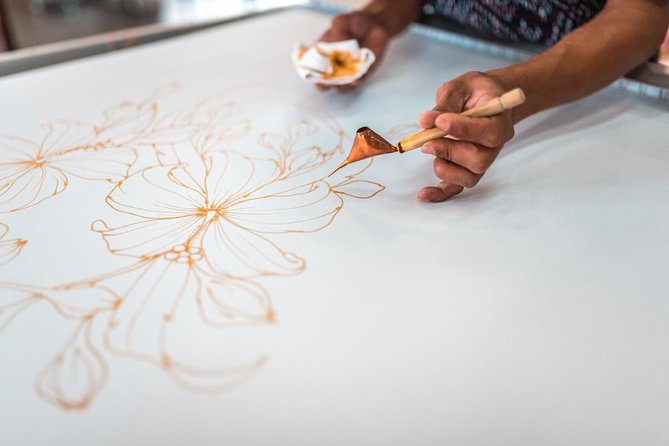
What makes the Malaysian Batik Experience in Kuala Lumpur so fun is that you do real batik steps, not just watch them. You’ll sketch a design, use the canting tool for hot wax, then paint with dyes at a steady pace.
I love that you get hands-on guidance the whole time, so even if your drawing skills are shaky, you’re still able to finish a real take-home item. I also like that the studio offers lots of design and color choices, and the staff help you narrow it down, with instructors like Ms. Carol standing out for clear, kind coaching. The main consideration is timing: if you want a handkerchief finish, drying and final pickup may take 4 hours or a next-day return.
Key Things That Make This Batik Class Worth Your Time
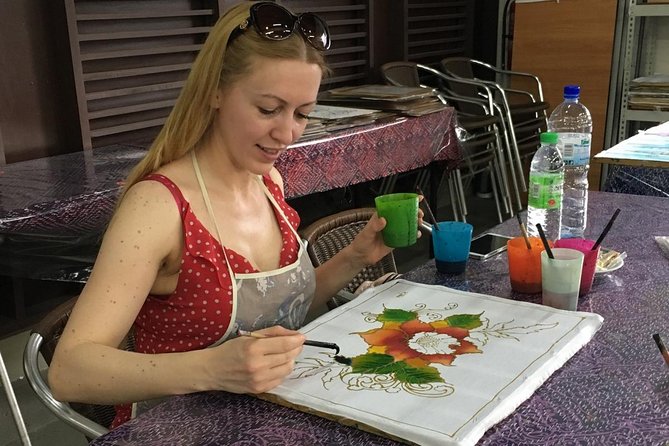
- Canting hot wax technique: you’ll actually apply wax using the traditional tool, not just paint over a stencil.
- Pick from templates or sketch your own plan: design options are plentiful, so you can go simple or detailed.
- Color mixing is allowed: you can paint your batik with the dye colors you choose in the workshop.
- Everything is included: materials, tools, bottled water, snacks, and GST are built into the price.
- Same-day take-home is common: your piece is dried by the team for you to take away when you finish.
- It’s calm and hands-on: clear instructions help you focus, and the pace works well for families and kids.
Where You Start: Jadi Batek in Imbi, Kuala Lumpur
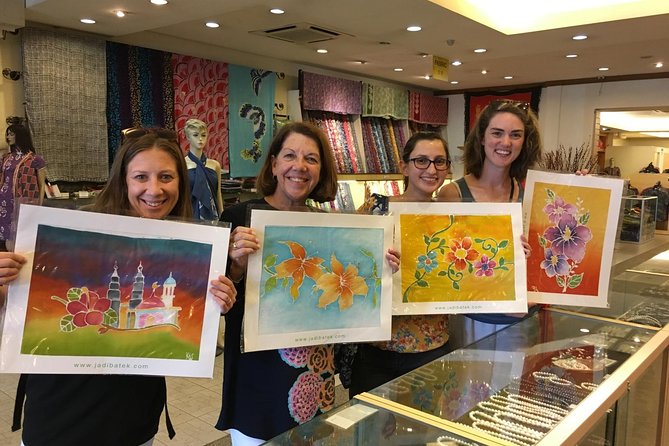
You meet at Jadi Batek in the Imbi area (30 Jalan Inai, right by public transport). It is a studio setting, which is exactly what you want for batik. You can focus on the process without the hassle of hopping between multiple stops.
The studio itself is part of the appeal. Several people note it feels cool and comfortable for an active craft day. That matters in Kuala Lumpur, where heat can turn “one more activity” into “let’s escape indoors.”
This is also a private group experience, so your class time stays your group’s time. Even if you come as a couple or with family, you are not stuck waiting around while another crowd finishes up.
One more practical note: the activity uses a mobile ticket, which makes the check-in smoother if you are already traveling light with your phone.
More batik workshops in Kuala Lumpur:
- Batu Caves & Malaysian Handicraft Tour: Pewter & Batik Experience
★ 4.5 · 316 reviews - Batik Coloring Workshop by myBatik
★ 5.0 · 48 reviews - Batik Bag Painting Workshop by myBatik
★ 5.0 · 35 reviews
The 2-Hour Flow: History, Sketching, Waxing, Painting, Drying
The class is listed at about 2 hours, and the rhythm is simple. First, your guide introduces batik and the basic process. Then you move into making your own scarf-sized batik piece.
1) Learn the batik story and the workshop method
You start at the gallery with an explanation of Malaysian batik and how the traditional process works. This is not a lecture marathon. It’s more like a quick orientation so you know why each step exists. That context helps your design choices later, because batik is not just decoration, it’s a method.
2) Sketch your design plan
Next comes sketching. You’ll create the design for your batik scarf, and the team provides templates as inspiration. You can choose something guided and pre-planned, or you might sketch your own pattern idea if you want more control.
A big benefit here is that you are not starting from blank paper. That lowers the intimidation factor and helps you finish within the time window.
A few more Kuala Lumpur options worth a look
- Private Half-Day Batu Caves and Cutural Tour in Kuala Lumpur
★ 5.0 · 3,107 reviews - Sambal Streets Kuala Lumpur Food Tour with 15+ Tastings
★ 5.0 · 2,438 reviews - Historical Malacca Guided Day Tour (Shared Tour)
★ 5.0 · 2,172 reviews - Kuala Lumpur: Sambal Street Food Tour with 15+ Tastings
★ 4.9 · 1,657 reviews
3) Apply wax with a canting tool
Then you use the canting tool to apply hot wax over your sketch. This is the core technique of batik. The wax acts like a resist, keeping dye from reaching certain lines and shapes.
Expect it to require steadiness. People describe the process as relaxing but also hands-on, and it takes focus to get clean lines.
4) Paint with dyes, then shape the final look
After waxing, you paint your fabric using dyes from the workshop. You can choose your colors from what is available, and you can even mix custom colors. This part is where your batik starts looking like yours, not like a class project.
You’ll be guided through the do’s and don’ts, including how to work carefully so the wax areas stay protected.
5) Drying and your take-home finish
Once your drawing and painting are done, the team dries your fabric quickly so you can take it home. This is a key value point. You are not stuck waiting in limbo while your batik “cooks.”
If you want it framed or need extra handling, you can ask during the class. People report the studio can prepare pieces for taking away in a simple presentation style.
Choosing Your Design and Colors Without Overthinking It
This is one of the highest praised parts of the experience: you have lots of design options. That matters because batik looks best when your pattern choices match your personal taste, not just the teacher’s example.
Templates that help you succeed fast
You can select from many available templates and motifs. If you want a traditional feel, templates are an easy path. They also help you finish on schedule.
Free-form creativity is possible
Some people say they had the option to draw their own patterns, not only pick from pre-drawn templates. Even if you do this, you are still supported with guidance. That balance is great if you want creativity without losing control.
Color choices are part of the art
You’ll paint with workshop dyes and can mix colors. Practical tip: pick a color plan early in the session. If you leave decisions until the last minute, the time pressure can mess with your confidence.
A good approach is to decide:
- which areas you want to stand out most
- which colors should be the main fields
- where you want contrast lines to pop
Because the wax resist creates those crisp boundaries, your contrast choices affect the final look more than you might expect.
Canting Waxing: The Traditional Step That Makes It Feel Real
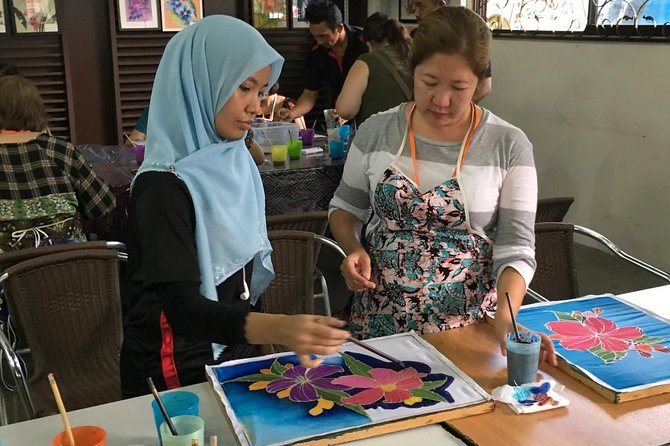
A lot of craft classes call themselves authentic but are mostly painting. Here, the canting step is the real deal.
Canting is a traditional tool that lets you control wax lines. You squeeze or pour hot wax through the canting spout to draw motifs. In practical terms, it helps you create the crisp shapes that give batik its signature look.
Why this step is worth your effort
Even if you make a few imperfect lines, the outcome still looks like batik because the method drives the style. The wax resist controls dye absorption, so your painting results depend on what you do during the waxing stage.
What to expect physically
You’ll need a steady hand and a calm pace. Don’t worry if your first attempt feels awkward. The guide is there from start to finish, and people specifically mention clear instructions and patient help.
And yes, it can be a little intense, in the good way. This is not a passive activity. You are doing something with your hands for two hours.
Same-Day Take Home vs Handkerchief Pickup Timing
Timing is the one thing you should plan around.
For the scarf-style piece, the class is designed so you can take your batik home after drying at the end of the session.
But there is also an option to use the batik as a handkerchief. If you go that route, you’ll need extra time for the final piece:
- wait about 4 hours, or
- come back the next day to collect it
So if you have a tight schedule for airport time or a dinner reservation, treat the handkerchief option as a planning decision.
A practical tip from the way people talk about the process: if you want your finish fully ready for use and you are picky about the final look, plan for the studio to do the finishing steps. Your best bet is to ask during the workshop what their drying and finishing timeline will mean for the exact item you choose.
What You Actually Get in the Price, and Why It Feels Fair
The price is $17 per person, and it includes a lot of the hidden costs that often surprise you in craft workshops.
Included:
- tools and materials
- GST
- bottled water
- snacks
Not included:
- transportation to and from attractions
For the value, the key is that you are paying for the full guided process. You are not buying a kit you assemble at home. You are using workshop materials, getting help with the wax and dye technique, and leaving with a completed batik piece.
Also, the fact that the class is priced at a level where solo travelers and families can afford it makes a difference. It turns batik into something you can fit into a real itinerary, not just a splurge.
Who This Workshop Suits Best in Kuala Lumpur
This is a solid choice for first-timers. The class is designed so no experience is needed. The guides support you from start to finish.
It is also a good family activity. People mention it works well for primary school age and up, and the environment feels calm. If you are traveling with kids who like hands-on projects, batik is a way to burn energy in a creative direction.
It can also be a great “quiet activity” for adults. Several reviews highlight that it feels therapeutic and relaxing, even with the focus needed for steady waxing lines.
If you are someone who likes structured art, this class gives you structure. If you like creativity, you get design templates and the option to draw your own plan.
Logistics and Practical Tips for Your Visit
This is a downtown studio stop, so you can pair it with other Imbi-area plans without too much friction. It is near public transportation, and the meeting point is specific and easy to find.
A few practical ideas:
- Bring a phone charger or power bank, since you might rely on your mobile ticket.
- Wear clothes you do not mind getting a little stained risk. You can ask about dye/wax handling, but craft days can be messy by nature.
- Plan for the drying time reality. If you choose handkerchief finishing, adjust your schedule.
- If you want the best outcome, take the guide’s suggestions early, not halfway through when your wax and paint are already set.
If you care about the final presentation, ask what finishing options are available for take-home framing or edging. Optional services include sewing the edge (RM10) and a courier option, with fees depending on your location.
Should You Book the Malaysian Batik Experience in KL?
If you want a hands-on cultural craft that is beginner-friendly and actually ends with something you made, book this. The biggest strengths are simple: you get guided instruction while doing the main batik technique, and you leave with a take-home piece after about two hours in most cases.
Skip it only if you have no flexibility at all for drying and finishing, especially if you are considering the handkerchief option. Also skip it if you want a passive, sit-and-watch experience. Batik here is about doing, not just observing.
For most visitors to Kuala Lumpur, this is a smart value stop: creative, structured, and very “I did something in Malaysia” without requiring artistic experience.
FAQ
How long is the Malaysian Batik Experience-Handkerchief class?
The experience is listed at about 2 hours.
Do I need any prior experience to do batik?
No experience is necessary. Your guide stays with you from start to finish and helps you through the steps.
What will I make during the class?
You will create a batik design for a scarf. There is also an option to use the batik as a handkerchief.
Can I take my batik home the same day?
For the main batik scarf style, you dry it and take it home after the drawing and painting steps. If you choose the handkerchief option, you need to wait about 4 hours or return the next day to collect your final piece.
What tool is used to apply the wax?
The class uses a traditional wax tool called the canting to apply hot wax on your sketch.
Is transportation to and from the studio included?
No. Transportation to and from attractions is not included.
What is included in the ticket price?
Tools and materials are included, along with GST, bottled water, and snacks.
Are there any add-on services for extra cost?
Yes. You can pay extra for sewing the edge (RM10) and for courier service of the batik, with fees depending on location.
Where do I meet for the experience?
You meet at Jadi Batek – Batik fashion gifts wholesaler retailer, 30 Jalan Inai, Imbi, 55100 Kuala Lumpur, Malaysia.
What is the cancellation policy?
You can cancel for free up to 24 hours in advance for a full refund. If you cancel less than 24 hours before the start time, the amount paid is not refunded.
Recently reviewed in Kuala Lumpur
- Kuala Lumpur Night Tour★ 4.0 · 27 reviews
- Kuala Lumpur Full Day City Tour★ 3.5 · 27 reviews
- Half Day Cultural And Heritage Walking Tour in Kuala Lumpur★ 5.0 · 28 reviews
- Kuala Selangor Fireflies – Batu Caves Temple- Malawati Hill DayTour With Dinner★ 4.0 · 28 reviews
- KL Tower Admission Ticket with Private Pickup from Hotel★ 3.5 · 28 reviews
- Elevated Flavors: Dine 282m Above Ground at Kuala Lumpur Tower★ 3.5 · 28 reviews
- Port Klang Cruise Excursion To KL City Tour (Per Vehicle Price)★ 5.0 · 29 reviews
- Private Halfday Batu Caves and Cultural Tour in Kuala Lumpur *26*★ 5.0 · 29 reviews
Kuala Lumpur Tours, compared.

Private Half-Day Batu Caves and Cutural Tour in Kuala Lumpur
Read our review →
Sambal Streets Kuala Lumpur Food Tour with 15+ Tastings
Read our review →
Historical Malacca Guided Day Tour (Shared Tour)
Read our review →


Genting Highland & Batu Cave Guided Day Tour (SIC/Shared Tour)
Read our review →

Browse the lists this tour appears in