
Reviewed · COOKING CLASSES
Penang Cooking Class:Dive into Malaysian Cuisine with PenangChiak
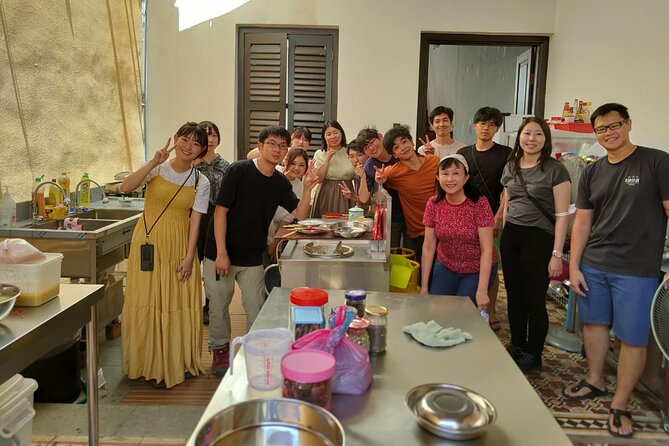
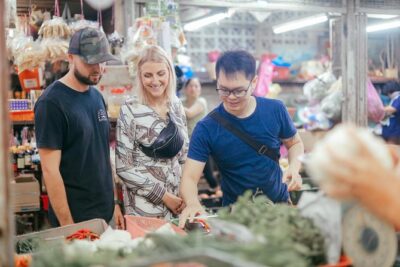
Penang Chiak’s cooking class is interesting because it starts before the kitchen, right in the market rhythm of George Town. You go stall to stall, then you head to the cooking space to turn what you picked up into real Penang plates.
I love the morning market tour for the practical food education, you learn what ingredients look like and why vendors carry what they carry. I also love the hands-on coaching during cooking, including how instructors talk about spices as a skill, not a guessing game.
One possible drawback is timing and pace. The morning classes run at 8:00 AM, and one review noted the longer session could feel more like instruction time than pure fun for people who want more casual cooking.
Key Highlights You’ll Actually Use
- Chowrasta Market start with a real look at ingredients as locals shop
- Breakfast included for morning classes, so you eat before you cook (and you should)
- Penang dishes taught step by step, including kueh pie tee and char kway teow
- Spice handling techniques explained as a repeatable process for your own kitchen
- Small group feel is common, including solo sessions when availability allows
- Clean, practical setup reported by multiple participants, with space for bags and basic amenities
Chowrasta Market at 8 AM: Where the Ingredients Actually Start
If you only know Penang from hawker stalls, this class changes your mental map fast. The experience begins at Pasar Chowrasta Market, with the meeting point listed at Lot 124 on Jln Penang in George Town. Starting in the market means you see ingredients in the same place you’d buy them on a normal day, not in a classroom prop setup.
You’ll walk through stalls during morning shopping hours and get explanations tied to what you’re going to cook later. This matters because a lot of Malaysian cooking is ingredient-driven. Even small differences in spice blends, aromatics, and textures change the finished dish. Watching vendors handle and sell items gives you clues you cannot get from a recipe alone.
The energy is also different than a typical food tour. You’re not just tasting; you’re learning how to shop with purpose. One person specifically pointed out the instructor walking them through seasonal and fresh produce and where items come from. Another mentioned tasting from vendors while learning about products and how they relate to dishes.
More cooking classes in Penang:
- Chef Samuel’s Private Malaysian Cooking Class with Wet Market Tour
★ 5.0 · 92 reviews - Malaysia Cooking Classes With Local
★ 5.0 · 87 reviews - LaZat Malaysian Cooking Class
★ 5.0 · 87 reviews
Breakfast, Smelling Herbs, and Why You Eat First
Morning classes include breakfast, but only for the morning food tour. That’s a big deal for value and comfort. You are going to spend a chunk of time walking and then cooking. Eating first keeps you focused, and it also helps you notice flavors later while you’re working with hot oil and strong aromas.
From the reviews, breakfasts are often treated as part of the learning experience, not a casual add-on. People described local breakfast favorites and even things like chrysanthemum tea, which connects directly to how Penang flavors balance fragrance and sweetness. Another review called out the importance of doing breakfast with the class, because Penang street breakfast can seriously set the tone for the rest of the morning.
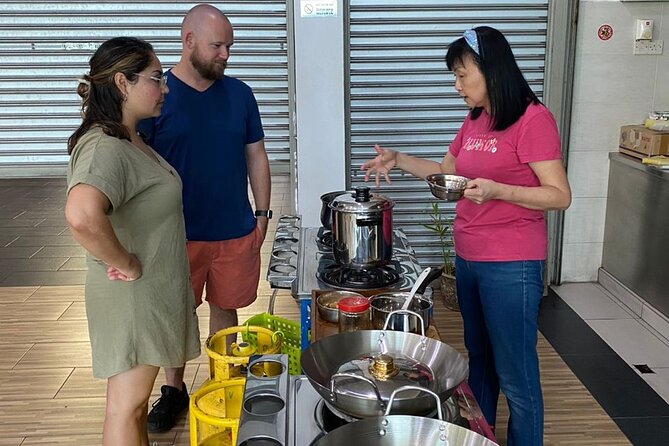
Practical note: you’ll be around burners during cooking. One participant warned it gets warm in the cooking area. If you’re planning this for a hot day in Penang, wear loose, light clothes so you can stay comfortable without feeling sweaty and distracted.
The Cooking Portion: Kueh Pie Tee, Char Kway Teow, and More
The class is built around Penang favorites. The tour description lists kueh pie tee, char kway teow, choon piah, masala chicken, and more. In practice, the exact dishes may vary by session, and different instructors may lean into different specialties, but the core idea stays the same: you go from market ingredients to recognizable Penang dishes using clear technique coaching.
Here’s how the major dishes fit into what you’re learning:
Kueh Pie Tee
This is one of those Penang snacks that looks delicate but is very technique-based. You’re learning how fillings, shells, and toppings work together so you get the right contrast of textures. If you’ve only eaten kueh pie tee and never tried making it, you’ll be surprised how much the method matters compared to just the ingredients.
A few more Penang options worth a look
- Penang Plates Food Tour with 15+ Tastings
★ 4.9 · 734 reviews - Penang Hill Funicular Ticket
★ 4.0 · 527 reviews - Penang Plates Food Tour with 15+ Tastings
★ 5.0 · 490 reviews - Guided Tour of Cheong Fatt Tze’s Blue Mansion in George Town
★ 4.5 · 490 reviews
Char Kway Teow
Char kway teow is a flavor lesson. One class takeaway theme from the materials and discussion is that Penang’s versions reflect local ingredients and dietary practices. A provided explanation in the class notes also referenced how versions differ when pork is involved versus halal preferences. So while you learn a specific plate, you’re also learning why the profile changes, which helps you adapt at home if your local groceries differ.
Choon Piah and Other Bites
Choon piah and the other items in the course sit in the middle ground between snack and real cooking technique. You’re typically practicing assembly and heat control rather than just mixing a sauce and calling it done.
Masala Chicken and Spiced Plates
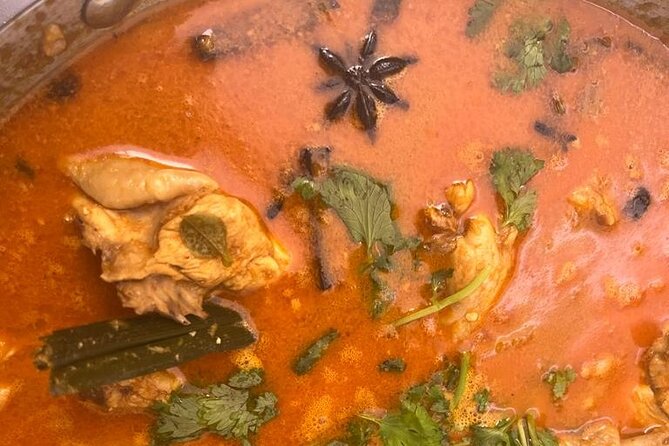
Masala chicken is where the class’s spice focus becomes obvious. You’re learning how spices are handled and blended, and the instructors emphasize that spice work is an art. That framing is useful for you at home, because it stops the process from feeling like a fixed formula.
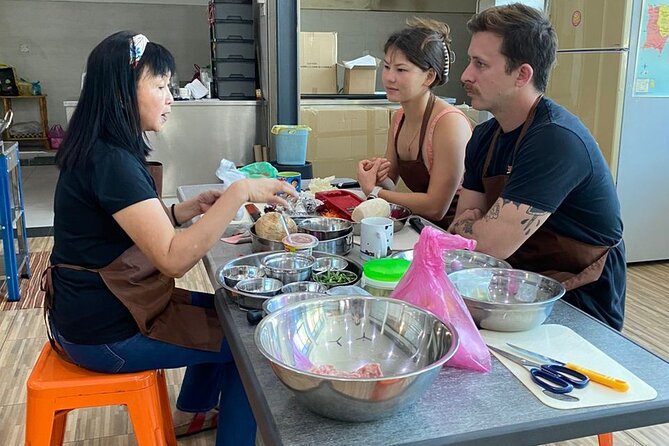
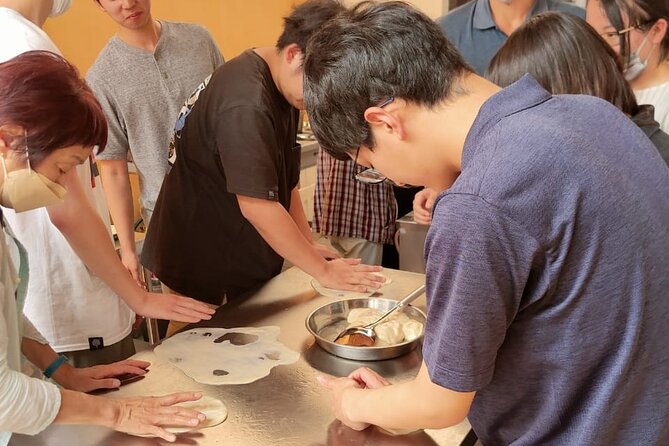
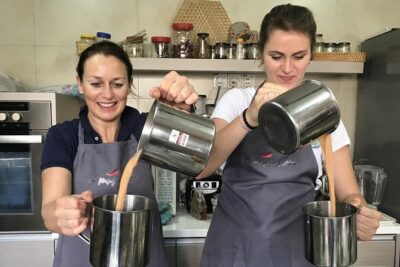
Multiple reviews said instruction was step by step and included practice time. One person said they took turns practicing steps with a small group of three. Another said they felt the recipes would be easy to replicate later.
Spice Handling Techniques You Can Repeat at Home
This is the part of the experience that can turn into real cooking skill for you, not just a memory. Penang cooking relies on aromatics and spice blends that can be sensitive to heat and timing. When instructors explain spice handling as a process, you can follow it later with different brands of spices.
What you’re likely to notice during class:
- how spices change when heated and when they are added
- how to balance fragrance with heat
- why certain ingredients are treated differently during cooking, such as chopping styles and order of steps
There’s also a practical culture component. Several reviews mention instructors explaining the origin of ingredients and tying dishes back to Penang and its food traditions. Even if your takeaway is mostly cooking technique, that cultural context helps you remember why a step exists.
If you have spice limits, this class can be adaptable. One review specifically said the instructor tailored recipes because the participant could not eat too much chilli. That kind of customization matters in real life, because it means you can learn the method without forcing your body to handle a level of heat you hate.
Meet the Penang Chiak Instructors: Mok, Simon, Amy, Santi, and Jenny
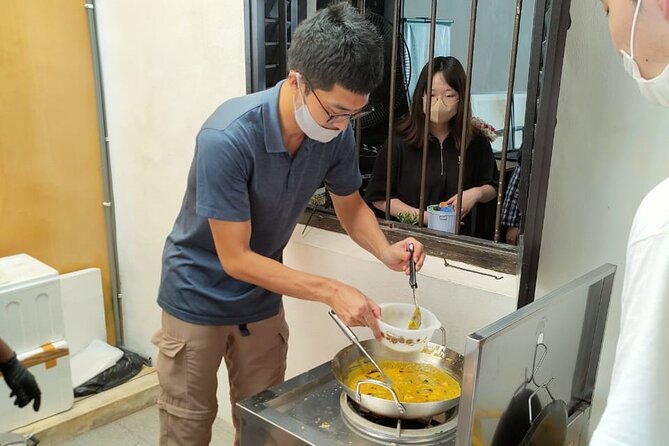
A big reason people rate this so highly is the teaching presence. You’re not just watching someone cook; you’re guided by people who clearly spend time in Penang food culture.
From the reviews, you may meet:
- Mok, who often leads the market tour and explains products, sometimes including cultural context and shopping choices
- Simon, mentioned as an engaging host and part of the experience flow
- Chef Amy, who frequently teaches the cooking portion and shares family-style tips
- Santi, also named as an instructor who covers market stories and then teaching in the kitchen
- Jenny, who runs other cooking classes (including Indian cooking in one review), with a patient, detailed teaching approach
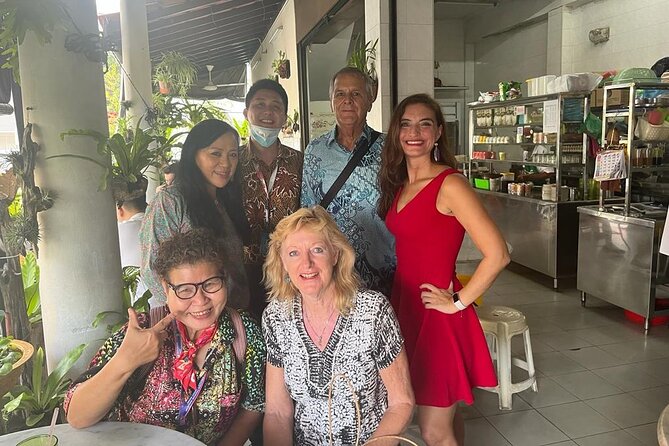
One review described meeting Simon at a cruise port, then getting driven to the market with assistance from Mok. Another review credited Mok for photos and for adding a car tour of George Town before dropping participants near Chew Jetty. That kind of local support can make the morning feel more like being hosted than being processed.
For you, the best part is when the instructor explains decisions. If someone tells you what you’re tasting and what to watch for in the pan, you learn faster and you can recreate the flavor with confidence later.
Where the Class Runs and What to Bring
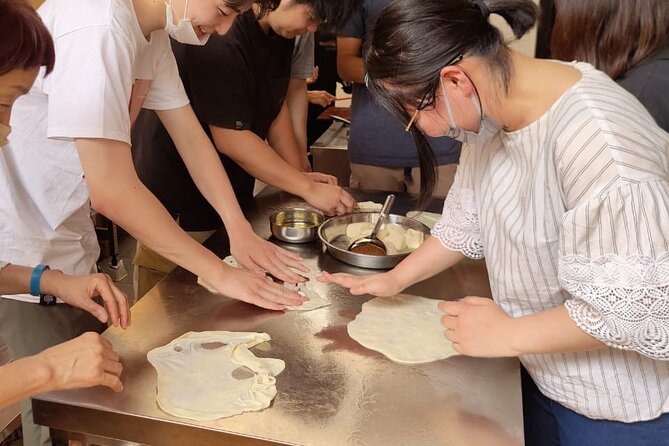
The class cooking room is reported as inside a shopping center, which can be a little hard to find if your guide does not meet you outside first. Multiple participants noted that the team helps with greeting and directions, and that there is time to settle in without stress.
Practical comfort details mentioned in reviews:
- toilets available
- filtered drinking water
- soap for hand washing
- enough space to leave bags
That helps you stay focused. In many cooking classes, you end up balancing bags, phones, and cooking gear in a messy space. Here, at least from the reported experience, the setup is organized enough to keep the class moving.
What to bring:
- comfortable clothes for heat and walking
- an appetite for breakfast plus cooking
- a small bag or container sense for anything you might take away, depending on what your session includes
Pickup can be offered. The tour info also says near public transportation and the meeting point is in Chowrasta Market, so you have options depending on your hotel and schedule.
Group Size, Pace, and How 4 to 5 Hours Feels
The overall sessions are described as about 4 to 5 hours. For morning classes, the market tour is part of the morning schedule and breakfast is included for morning food tour participants.
Private tour means only your group participates, which is a plus if you want questions answered directly. Reviews mentioned groups that were very small, including a solo participant. In a small group, you tend to get more hands-on time. One person described making multiple items with practice steps and described the group as intimate.
That said, one review mentioned the time felt more lecture-like and asked for more recipe display or more balance between instruction and fun. So here’s a balanced expectation for you: you will be learning, and learning takes talking and demonstrating. If you want a casual kitchen hangout more than a coached lesson, you might feel the structure more strongly than you hoped.
Price and Value: What $116 Buys You in Real Terms
At $116 for about 4 hours, you’re paying for several things at once, not just a meal and not just a cooking show.
Based on the info provided, you get:
- morning market tour (for 8:00 AM morning classes)
- breakfast included for morning food tour participants
- all ingredients and kitchen utensils provided
- coaching class time with technique focus
Then add the intangible value: access to local food knowledge through people like Mok, Amy, Simon, Santi, and Jenny, who explain how Penang dishes work. That’s hard to price, but you’ll feel it when you stop guessing and start knowing what to do in the pan.
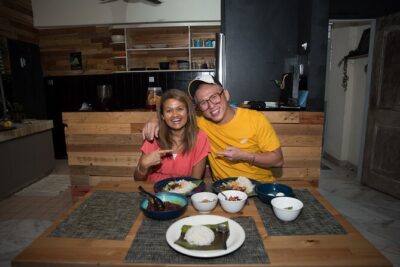
One more value point: you’re eating what you make. People repeatedly described the food as excellent and the class as a highlight in Penang. That matters because a cooking class should end with satisfaction, not just a stack of notes.
If you’re comparing it to doing a market snack crawl plus a regular cooking class elsewhere, this package is easier to justify because you start with ingredients and end with dishes tied to them.
Who Should Book This Penang Cooking Class (and Who Might Skip It)
This works especially well if you:
- want a repeatable cooking skill rather than just restaurant-style eating
- like food education tied to markets and real shopping
- enjoy Penang staples and want technique behind kueh pie tee, char kway teow, and more
- prefer small group instruction or private experience flow
It might not be the best fit if you:
- want a very laid-back activity with minimal structure
- hate early mornings, since the morning class is tied to 8:00 AM only
- expect the menu to match every review exactly, because different sessions and instructors can lead to different dish combinations
FAQ
FAQ
What time does the morning market tour run?
Morning classes include the market tour at 8:00 AM only.
How long is the Penang cooking class experience?
The sessions are listed as about 4 hours (approx.), and they’re also described as 4 to 5 hours.
What dishes will we cook?
The tour description lists kueh pie tee, char kway teow, choon piah, masala chicken, and more.
Is pickup available?
Pickup is offered.
Is breakfast included?
Breakfast is included for morning classes only.
Where does the tour start?
It starts at Pasar Chowrasta Market, Lot 124, Jln Penang, George Town, 10100 George Town, Pulau Pinang, Malaysia.
Should You Book This Penang Chiak Cooking Class?
Yes, if your goal is to understand Penang flavor the way locals do, start-to-finish. The strongest reason to book is the combo of Chowrasta market shopping and hands-on cooking coaching focused on spice handling, not just plating.
If your ideal day is spontaneous and slow, consider that the morning timing is fixed and the class has a teaching structure. But for most food-focused visitors, especially those who want to cook at home afterward, this feels like a smart buy of skill and context for your Penang trip.
Recently reviewed in Penang
- Back of the Bike Street Food Experience – Real Penang!★ 5.0 · 27 reviews
- Private Half-Day Penang Hill and Kek Lok Si Temple Tour★ 4.0 · 31 reviews
- Penang: Top Seven Wonders Of Penang Private Exploration Tour★ 4.1 · 32 reviews
- Bukit Merah Orang Utan and Penang City Private Tour★ 5.0 · 32 reviews
- Discover Penang in Half a Day: Culture, Heritage & City Sights★ 4.5 · 34 reviews
- Full Day – Penang Tour Including Penang Hill Tickets (Fast Lane) & Lunch★ 4.5 · 34 reviews
- Private Tour: Full Day Center Penang Island Tour★ 4.5 · 35 reviews
- Penang: ESCAPE Theme Park Entry Ticket★ 4.7 · 37 reviews
Cooking Classes, compared.
Chef Samuel’s Private Malaysian Cooking Class with Wet Market Tour
Read our review →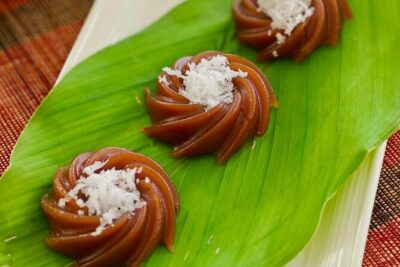
New Malaysian Kitchen Cooking Class and Garden Tour
Read our review →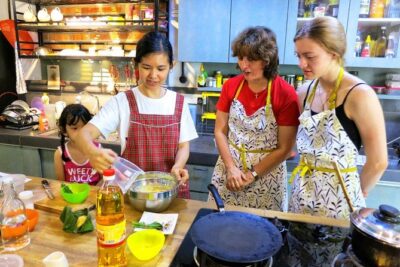
Market Visit & Private Hands-on Cooking Class at Daun Senja
Read our review →
Browse the lists this tour appears in