
Reviewed · COOKING CLASSES
Malaysia Cooking Classes With Local
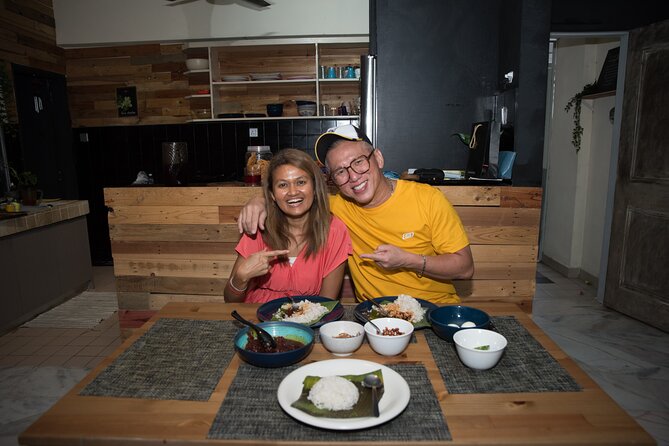
What makes this cooking class interesting is that you are not learning Nasi Lemak from a recipe book. You are cooking it in Fizah’s home kitchen, with step-by-step guidance that turns a Malaysian staple into something you can repeat. I love that the session is truly hands-on and that you end up eating what you make. One thing to consider: it is set up as a private group in a home setting, so you will want to confirm the age limit (no kids under 12) and plan your timing around a 3-hour block.
In practice, you get to work on the core components of Nasi Lemak, not just watch. You will learn the coconut rice, sambal, and classic sides like peanuts, anchovies, and eggs, plus a local dessert. The possible drawback is simple: you won’t have your own individual cooking station, so you share a working space and pass ingredients and tools around as you cook.
The big win here is personal instruction. You can ask questions, get feedback as you go, and taste your final plate at the end, all while learning the cultural meaning behind the dish.
4 key things that make this class worth your time
Hands-on cooking, not a demo
You cut, prep, cook, and plate, then you sit down and eat.
Nasi Lemak basics, fully explained
Coconut rice, sambal, and the classic accompaniments are part of the plan.
You can ask questions while you cook
It is built for interaction, so you are not stuck guessing.
Allergy awareness is taken seriously
There is explicit care around allergy needs.
Why Nasi Lemak is a smart food lesson in Kuala Lumpur
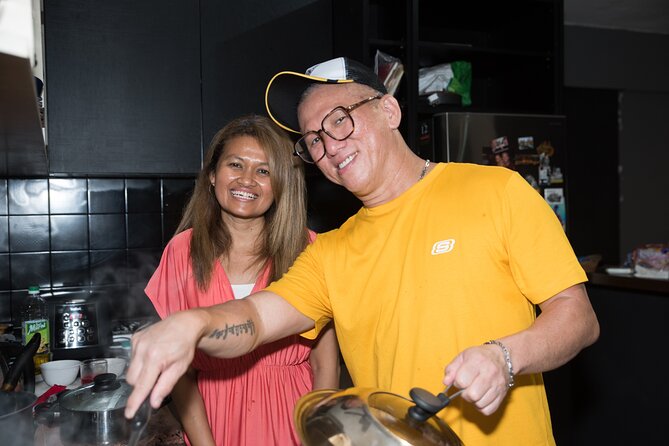
Nasi Lemak is one of those dishes that sounds simple until you make it. Coconut rice alone needs the right balance, and the sambal has to hit the sweet, salty, and spicy notes without going flat or harsh. This class is built around that idea: you learn the building blocks so you understand why the flavors work together.
I like that the lesson frames Nasi Lemak as more than comfort food. You are also guided on the cultural significance of the dish in Malaysia, which helps the meal feel meaningful instead of just tasty. And because you are cooking it with someone who grew up with the methods, you get small technique tips that are hard to find from online videos.
For value, the $59.99 price makes sense because you are not paying only for instruction. You are paying for a full 3-hour experience with ingredient prep, cooking guidance, tasting the meal you made, and a recipe you can take home. In a lot of casual food tours, you sample. Here, you actually cook.
One practical note: this is in a residential neighborhood setting, with the start point at Awana Puri Condominium in Taman Mutiara Barat. That is a good thing if you want a real local feel, but it does mean you should treat it like an appointment, not something you can casually wander into.
Meeting Fizah in her home, at a real local address
The class starts at Awana Puri Condominium, Jalan 15/119, Taman Mutiara Barat, 56000 Kuala Lumpur. It ends back at the same meeting point. That matters because you can plan the rest of your day around a set location, and you are not dealing with a complicated multi-stop route.
The session is close to public transportation, which is helpful if you are not planning to rely entirely on rideshares. Still, since you are going to a home address in Kuala Lumpur, give yourself extra time. Homes can be a little harder to find than a hotel lobby, even when the meeting point is clearly set.
Another practical upside: it is near public transportation, and it is a private tour/activity, so you are not squeezed into a big group. Based on the class format described by past participants, it tends to work well for small parties, with one person mentioning groups up to four, and at least one booking where more were accommodated. Either way, it is designed for interaction, not crowd control.
More cooking classes in Kuala Lumpur:
- LaZat Malaysian Cooking Class
★ 5.0 · 87 reviews - New Malaysian Kitchen Cooking Class and Garden Tour
★ 5.0 · 54 reviews - Market Visit & Private Hands-on Cooking Class at Daun Senja
★ 5.0 · 51 reviews
Your 3-hour flow: what you’ll do from start to finish
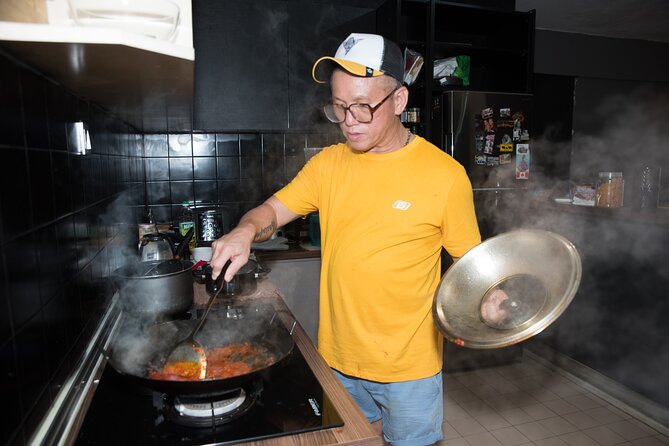
The class runs about 3 hours. The rhythm stays simple: prep your components, cook together, then plate and eat, with dessert included.
1) Welcome and getting your plan for Nasi Lemak
You come in, meet Fizah, and get oriented to what you will cook. One of the best parts of this class style is that you can ask questions while work is happening. That helps if you are new to Malay cooking, because you can stop and clarify technique instead of waiting until the end.
There is also an emphasis on ingredient selection, which is not glamorous but it is crucial. Coconut rice depends on the coconut content, and sambal depends on the balance of chili, seasoning, and how you build it. Fizah guides you through that logic.
2) Coconut rice: the base you want to nail
Nasi Lemak starts with fragrant rice cooked in coconut milk. In the class, you learn how the rice is built for that classic taste and texture.
What you will want to pay attention to is the timing and how you handle the rice during cooking. Coconut milk can behave differently depending on heat and quantity, and you are not just learning a recipe, you are learning how to think about it while it cooks.
Once the rice is ready, it becomes the platform for everything else on the plate. If the rice is right, the entire dish tastes right. If the rice is off, the sambal might still be good, but the meal won’t feel balanced.
A few more Kuala Lumpur options worth a look
- Private Half-Day Batu Caves and Cutural Tour in Kuala Lumpur
★ 5.0 · 3,107 reviews - Sambal Streets Kuala Lumpur Food Tour with 15+ Tastings
★ 5.0 · 2,438 reviews - Historical Malacca Guided Day Tour (Shared Tour)
★ 5.0 · 2,172 reviews - Kuala Lumpur: Sambal Street Food Tour with 15+ Tastings
★ 4.9 · 1,657 reviews
3) Sambal: the spicy chili paste with the right balance
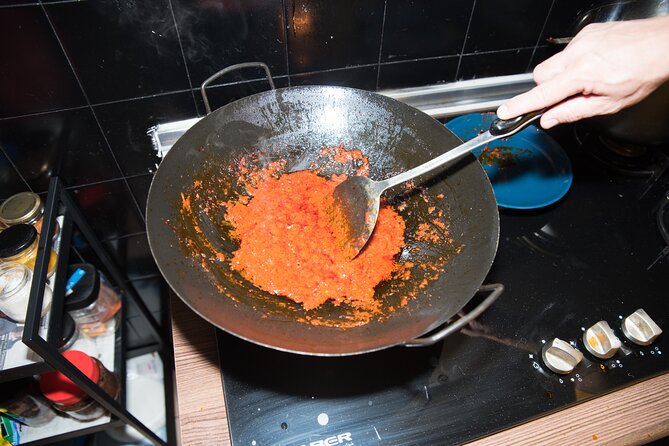
Sambal is where Nasi Lemak turns from rice and sides into a signature dish. You learn how to make it during the hands-on session, and you get guided on traditional techniques rather than only reading about them.
This is the part where you can personalize. The class includes guidance on adapting the recipe to suit your taste. If you like a milder sambal, you can adjust. If you want more heat, you can push it.
I also love that the class talks about technique, not just ingredients. The difference between okay sambal and great sambal often comes down to how you process the flavors and how you cook them so they round out instead of tasting sharp.
4) Classic accompaniments: peanuts, anchovies, and eggs
Then you build the supporting cast that makes Nasi Lemak feel complete. You learn how the accompaniments work with the rice and sambal, including:
- peanuts
- anchovies
- eggs
These sides are not random. Each one adds a different texture and flavor. The peanuts contribute crunch and nuttiness, anchovies add savory depth, and eggs bring richness.
Even if you have eaten Nasi Lemak many times, making the sides yourself helps you understand why specific combinations show up again and again in Malaysian plates.
5) Plating and presentation, then tasting
You do not leave the kitchen in mid-cook. Fizah guides you through plating and presentation so the food looks like the real thing, not like a home experiment.
Then you taste your creations together at the end of the class. This matters because you learn what the final balance should taste like. If something is missing, you remember how it was made, so you can correct it next time.
There is also time built in for questions and personalized feedback. Past participants emphasized that the instructions are easy to follow, and that the atmosphere is relaxed enough to feel comfortable asking for clarification.
6) Local dessert: the sweet finish
The class includes a local dessert as part of the experience. The exact dessert is not specified in the core description, but you should expect a traditional pairing alongside your Nasi Lemak.
If you are the type who worries about “only savory lessons,” this is a real plus. Dessert gives you a second taste of Malaysian home cooking methods, and it makes the session feel like a proper meal, not a snack-and-learn.
Small-group home cooking, shared stations, and what that means for you
A key detail: you are hands-on, but you may not have your own separate cooking station. One past participant described how everyone had a station to cut and prepare, while the cooking portion was shared. That shared rhythm can be great, because you get teamwork vibes and you can learn by watching and correcting in real time.
Here is the tradeoff. If you love total control and private workspace, this might feel a bit communal. If you like learning by doing with someone guiding you, it is a strong fit.
This class is also designed for all skill levels. If you cook at home, you can sharpen technique. If you rarely cook, you will have enough structure to avoid getting lost.
Language and comfort are part of the experience too. Multiple past participants noted easy communication and that Fizah speaks good English, which helps if you are trying to learn cooking without translating everything in your head.
Value check: $59.99 for a 3-hour meal you can repeat
At $59.99 per person for about 3 hours, you are paying for more than the meal. You are paying for the ability to make Nasi Lemak at home with confidence.
That is where the value comes from:
- You get a recipe to take home, so the learning does not end when the class ends.
- You get step-by-step guidance while cooking, so you learn the process, not just the result.
- You taste what you make, which helps you understand how the flavors should land.
- Allergy handling is taken seriously, which can be a big deal in any food experience.
If you are visiting Kuala Lumpur for a short trip, this is especially practical. You are not just collecting photos. You are bringing home a skill, and that skill can turn into dinner plans for friends and family back home.
Who this class fits best (and who might want a different option)
This is a great fit if you want:
- a hands-on culinary experience
- a local home setting rather than a classroom vibe
- personalized instruction with room for questions
- a dish that is instantly recognizable and easy to find in Malaysia, but hard to master from scratch
It is also a nice match for couples and small groups because it is private and feels personal. If you want to do something different from major-city sightseeing, this gives you a local rhythm.
Not sure if it is right for you? Consider these points:
- No children under 12. If you are traveling with younger kids, you will need another option.
- Expect shared work space for cooking. If you hate any sense of sharing tools or coordinating timing, pick a different style class.
- It is a home address. That can feel intimate, but it is not the same as a hotel cooking lab.
Tips to get the most out of your Nasi Lemak session
You will have a better time if you treat this like a small workshop.
- Ask about what makes the sambal taste right. Pay attention to balance.
- Take notes during key steps, especially timing and heat level for the rice and sambal.
- If you have allergies, mention them clearly and early. The class explicitly accommodates allergy needs, which you should take advantage of.
- Go hungry for the eating part. You will cook and then sit down to enjoy what you made.
And if you are planning what to do after, give yourself a little breathing room. Cooking plus travel can be a lot in one day, and you will likely want time to relax once you are done.
Should you book this Nasi Lemak cooking class with Fizah?
I think you should book this if you want real Malaysian home cooking with hands-on instruction, a meal at the end, and a recipe you can use later. The price feels fair because you are not just tasting, you are learning the process for coconut rice, sambal, and classic sides, plus a local dessert.
Skip it if you need a formal, hotel-style cooking setup, or if you are traveling with children under 12, or if you strongly prefer a totally private cooking station. Also consider your schedule, because it is built for a focused 3-hour block starting at a specific home address.
If you want one Kuala Lumpur experience that turns local food into a skill, not just a memory, this is a smart choice.
Recently reviewed in Kuala Lumpur
- Kuala Lumpur Night Tour★ 4.0 · 27 reviews
- Kuala Lumpur Full Day City Tour★ 3.5 · 27 reviews
- Half Day Cultural And Heritage Walking Tour in Kuala Lumpur★ 5.0 · 28 reviews
- Kuala Selangor Fireflies – Batu Caves Temple- Malawati Hill DayTour With Dinner★ 4.0 · 28 reviews
- KL Tower Admission Ticket with Private Pickup from Hotel★ 3.5 · 28 reviews
- Elevated Flavors: Dine 282m Above Ground at Kuala Lumpur Tower★ 3.5 · 28 reviews
- Port Klang Cruise Excursion To KL City Tour (Per Vehicle Price)★ 5.0 · 29 reviews
- Private Halfday Batu Caves and Cultural Tour in Kuala Lumpur *26*★ 5.0 · 29 reviews
Cooking Classes, compared.
Penang Cooking Class:Dive into Malaysian Cuisine with PenangChiak
Read our review →
Chef Samuel’s Private Malaysian Cooking Class with Wet Market Tour
Read our review →
New Malaysian Kitchen Cooking Class and Garden Tour
Read our review →
Market Visit & Private Hands-on Cooking Class at Daun Senja
Read our review →
Browse the lists this tour appears in