
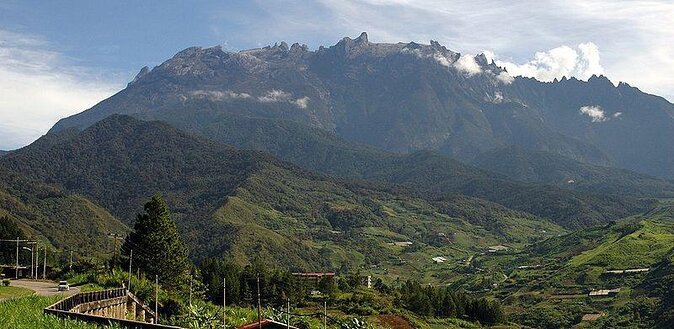
Reviewed · MOUNT KINABALU
2D1N Mount Kinabalu Climbing
A 2-day, 1-night climb to Borneo’s highest peak sounds intense, and this one is built to make it doable. You’re also heading into a World Heritage mountain setting, not just a generic hike.
I love how the package takes care of the paperwork side, with an English-speaking coordinator and included park entrance, permit, and mountain guide fees. You also get an overnight at Laban Rata plus five meals across the two days, so you’re not trying to guess food stops while you’re tired and altitude-slow.
One thing to consider: the schedule is unforgiving. There’s an early 1:30am wake-up, and if you arrive at the Sayat-Sayat Check Point after 5:30am, you won’t be allowed to continue the summit climb. You’ll also pay extra for porters and luggage handling on top of the tour price.
Key things to know before you go
- Private, group-only experience so you climb with your own group, guided step by step
- Included permits, insurance, and mountain guide fees so you can focus on the trek instead of admin
- Overnight at Laban Rata in a shared unisex dorm with dinner, supper, and breakfast timed to recovery
- Strict summit timing (Sayat-Sayat Check Point cutoff at 5:30am) which affects what you can control
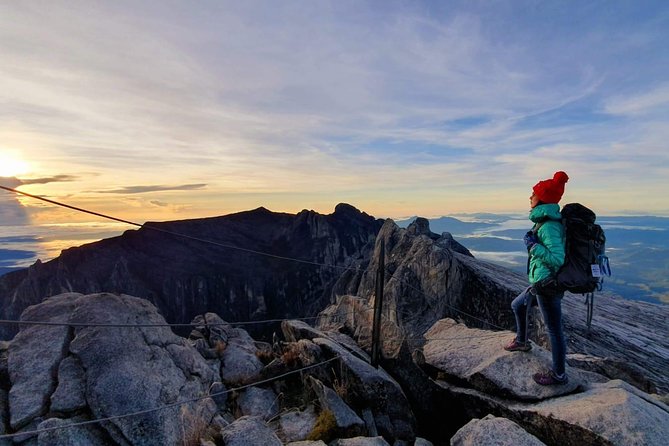
- Photo time at the summit plateau so you’re not only “surviving,” you’re also capturing the moment
- English-speaking guides you might meet, like Shukki and Johnson, praised for organization and calm support
Mount Kinabalu in 48 hours: what makes this climb feel real
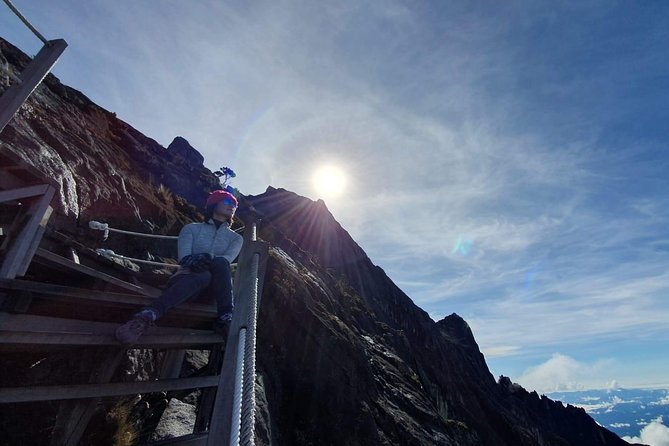
This is one of those trips where the planning matters almost as much as your fitness. The reason it works in just 2 days is that everything is structured around the climb stages: registration, the first push to Laban Rata, an early night, then a pre-dawn summit attempt.
What you’re buying is not just a ticket to a mountain trail. You’re buying an organized rhythm: guides and coordinators telling you what to do, when to move, and where you need to be on time. That matters a lot when you’re starting at 6:00am, finishing your overnight on day 1 at Laban Rata, then starting the summit at 1:30am.
And yes, it is challenging. But it’s also not random. You get porters for your luggage, a guide to keep you moving on the route, and set meal times so you can avoid the usual “I forgot to eat” mistake that tanks energy.
More Mount Kinabalu trips:
- 2d1n Mount Kinabalu Via Ferrata – Walk The Torq
★ 5.0 · 90 reviews - Kinabalu Park & Poring Hot Spring & Canopy Walk
★ 4.5 · 80 reviews - Kinabalu Park and Poring Hot Spring
★ 4.5 · 53 reviews
Kota Kinabalu pick-up, registration, and the passport check
Day 1 starts with a hotel pick-up in Kota Kinabalu at 6:00am. From there, it’s about a 2-hour drive to Kinabalu Park Headquarters for registration.
The key detail here is verification. You need your passport or original identification for registration. Bring the real document, not a copy, because the check happens when you register at the HQ.
Once you’ve registered, you’ll collect your packed lunch and meet your mountain guide. Then the day transitions into “trail mode,” with a transfer to Timpohon Gate and the start of the trek toward Laban Rata.
If you’re the kind of person who hates being rushed, arrive at your pick-up point with extra margin. This schedule is tight, and the success of day 2 depends on day 1 going smoothly.
Porter help, luggage storage, and why you should pack smart
This trek uses porters for your luggage, which is a huge help if you’re trying to preserve energy for the climb. But porter support comes with extra on-the-ground costs.
Here’s what you need to know:
- Unneeded luggage can be stored at MYR 12 per luggage (paid as an own expense)
- Porter fees are paid directly to the porter at MYR 14 per kg
A smart strategy is to pack only what you truly need for the night and summit push. The goal is to keep your carry light and predictable, while letting porters handle the bulk. That reduces the mental load too. You spend less time worrying about how much you have on you and more time focusing on pacing.
Also, remember that this is a guided route with set timings. If you bring extra stuff you do not need, it can slow you down later, and slower movement can become a problem when the summit schedule gets strict.
Trek to Laban Rata: your first big win of the trip
After the transfer to Timpohon Gate, you’ll start a 6 km trekking section to Laban Rata. This is the “build-up” day, where you get your rhythm and settle into the reality of high-altitude hiking.
When you arrive at Laban Rata Resthouse, you’ll overnight in a unisex shared dormitory. That tells you a lot about the vibe. This is not a private lodge night with silence and personal space. You’re sleeping near other climbers, and you should expect the practical side of mountain accommodation.
Meals keep the trip on track. Dinner at the Laban Rata Restaurant starts at 4:30pm and runs until 7:00pm, giving you a window to eat before the night routine. Having set meal times matters because it helps you plan your energy, instead of wandering looking for food while you’re tired.
If you’re thinking about comfort, plan for minimal downtime. The point of the day is to reach Laban Rata and recover well enough to wake up early and climb again.
A few more Kota Kinabalu options worth a look
- Guided Snorkeling Day Trip, Kota Kinabalu, Sabah, Malaysia
★ 5.0 · 282 reviews - Kota Kinabalu: Mari Mari Cultural Village Tour with Lunch
★ 5.0 · 152 reviews - Borneo (Klias) River Cruise & Fireflies Tour
★ 4.5 · 126 reviews - Bongawan Wetland: Proboscis Monkey and Fireflies Shared Tour
★ 4.2 · 125 reviews
Overnight at Laban Rata: dorm life and recovery on a schedule
Laban Rata is where the trip turns from “hike” into “climb.” You’ll wake up early on day 2, so the night has one main job: set you up for the summit attempt.
On day 2, you’ll wake at 1:30am and gear up. Before you start the summit push, you’ll have supper at the Laban Rata Restaurant. That meal timing is deliberate, giving you calories before the hardest hours of the trip.
The shared dorm setup means you should manage expectations. Bring what you need to feel at least somewhat rested, and plan to sleep in less-than-ideal conditions. Light and noise may not be in your control, because you’re sharing space with other climbers.
Still, the system is designed to make this night workable. The dinner window on day 1, the supper on day 2, and the breakfast after the summit all reduce guesswork. You can focus on doing the work, not planning logistics while your body is running on limited sleep.
The summit push to Low’s Peak (4095.2m) and the Sayat-Sayat cutoff
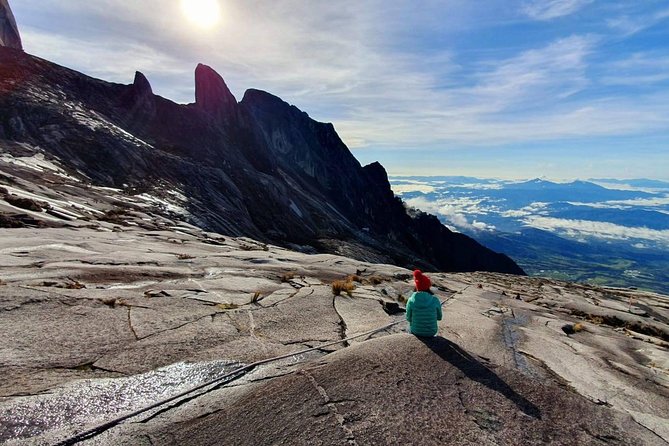
The summit day begins with the early start. From Laban Rata, you’ll head for the summit of Low’s Peak, at 4095.2m.
This is where you feel the difference between a “nice hike” and an actual mountain climb. The route requires stamina and steady movement, and the trip is timed so you can safely manage the climb while the team is still together.
There’s a rule you should treat as serious, not optional: climbers who arrive at the Sayat-Sayat Check Point after 5:30am will not be allowed to proceed with the summit climb. That means your pace and timing on the way up matter. It’s also a reminder that guides are there to keep you aligned with the plan.
You’ll have an opportunity for photos at the summit plateau. That’s a big deal for a short trip. It helps turn the summit from a blur into an actual memory you can share.
Once you finish the summit, you’ll descend to Laban Rata for breakfast, then check out and trek down to Timpohon Gate. The descent is still work, but having breakfast waiting makes it feel more like a finish line process instead of a second grind.
The descent, park shuttle, Balsam Cafe lunch, and your certificate
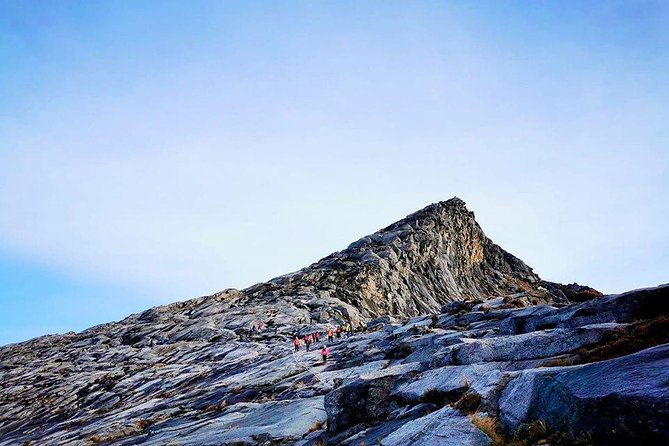
After the summit and the return to Timpohon Gate, the trip doesn’t end immediately. You’ll take the park shuttle back to Kinabalu Park Headquarters.
Then you’ll enjoy lunch at Balsam Cafe. Food after a climb is never just about taste. It’s also about refueling and getting your blood sugar and energy back to normal, especially after an early night and pre-dawn start.
You’ll also collect your certificate. For many people, this is what turns the whole effort into something tangible you can keep.
Finally, transfer back to your Kota Kinabalu hotel takes about 2 hours. By the time you return, you’ll feel the day in your legs. The good news is the structure is clear, and you’re not left figuring out transport or what comes next.
Price and value: what $1,000 really covers
At $1,000, this climb is not cheap. The real question is what that money buys you, and it buys you a lot of the expensive and time-consuming parts of the climb.
Included items include:
- 1 night accommodation at Laban Rata in a shared unisex dorm
- All ground transportation return
- 5 meals across the two days (packed lunch, dinner, supper, brunch, and late lunch)
- Entrance fee, climbing permit, and climbing insurance
- Mountain guide fees plus an English-speaking coordinator
- Certificate
What’s not included:
- Porter fees (paid directly to the porter, MYR 14 per kg)
- Optional tipping
- Possible mountain guide overtime charges (MYR 15 per group per hour after 4pm)
- Possible transport overtime charges if you descend after 7pm (MYR 80 per transfer)
- Outskirt pick-up surcharge: MYR 30 per pax for areas like Rasa Ria, Karambunei, Kinarut, Papar, Ranau, etc.
So the value is strongest if you want the whole climb system handled for you: permits, insurance, guide support, and meals in a tight timeframe. If you were hoping to do it with DIY planning or you want totally flexible timing, the cost may feel high because the schedule and rules matter.
Guides and organization that can make or break your day
In a climb like this, the difference between okay and great is usually organization. From the guide experience, names like Shukki and Johnson came up, with praise focused on being patient, attentive, and genuinely helpful.
Even if you don’t meet those exact guides, the underlying pattern is what you should look for: a coordinator and guide who communicate clearly and keep the group moving in a way that reduces panic.
This trip is also described as safe and well organized. That’s not just a comfort word. It shows up in practical ways:
- You register early at HQ
- You move in stages with guides guiding the climb
- Meals are timed so you’re not scrambling for energy at the worst moments
- The summit attempt is managed around the Sayat-Sayat cutoff
If you worry about getting lost or falling behind, that structure is exactly why this package can be worth it.
Who should book this, and who should slow down
This tour suits people with moderate physical fitness. It’s also a good fit if you want a climb in a compact format, because you’re not spending multiple days planning between villages and checkpoints.
It’s also a strong match if you like a clear plan and don’t want to coordinate every piece yourself. You get hotel pick-up, transfers, guide support, meals, and certificate. That’s useful for solo travelers or couples, especially if you’re not traveling with friends who want to manage the logistics.
You might want to reconsider if you:
- hate very early starts and a strict schedule
- prefer private accommodation, because you’ll be in a shared dormitory at Laban Rata
- are sensitive to extra local costs, because porters and luggage storage are additional
- are not comfortable with a situation where the summit can be affected by timing rules
On the plus side, it’s private to your own group. That means you’re not trying to match your pace to a random mix of people.
Weather, timing, and what to expect if conditions change
Mount Kinabalu climbing depends on weather. The tour specifically says it requires good weather. If it’s canceled due to poor weather, you’ll be offered a different date or a full refund.
The non-changeable part is strict too. This experience is non-refundable and cannot be changed for any reason. So treat your booking like it’s serious planning, not a backup plan you can casually shift.
Timing is strict even on a good-weather day. The summit is managed around the Sayat-Sayat Check Point rule, and that’s why the day 1 pacing matters.
If you’re planning your wider trip around this, I’d avoid stacking other commitments right after you return to Kota Kinabalu. You’ll come back after a long day, with an early start experience sitting in your body for a while.
Should you book this 2D1N Mount Kinabalu Climbing?
Book it if you want a guided, structured Mount Kinabalu climb in two days, with permits, insurance, guides, transport, and meals handled. The biggest value is that you’re not piecing together logistics while you’re tired. You get a clear plan and a summit photo moment at the plateau.
Consider skipping or choosing a different format if you need flexible timing, you dislike shared dorm conditions, or you’re not ready for early-morning intensity and the 5:30am Sayat-Sayat cutoff that can limit summit access.
One final practical tip: pack light, plan your day with buffer time, and treat the guide instructions as the whole game. On this mountain, that’s how you turn a tough climb into a smooth, memorable one.
FAQ
What time is the pick-up in Kota Kinabalu?
Pick-up is at 6:00am from your hotel in Kota Kinabalu.
How long is the drive to Kinabalu Park Headquarters?
It takes about 2 hours by drive to Kinabalu Park Headquarters for registration.
Do I need a passport for registration?
Yes. You need your passport or original identification for verification at registration.
Where do I stay overnight?
You stay overnight at Laban Rata Resthouse in a unisex shared dormitory.
What meals are included?
You get five meals across the two days, including a packed lunch and dinner on day 1, plus supper, brunch/late lunch on day 2.
Is the activity private to my group?
Yes. It’s described as a private tour/activity, meaning only your group participates.
Is the summit climb included in the package?
The package includes the summit climb attempt to Low’s Peak, but there is a rule: if you arrive at the Sayat-Sayat Check Point after 5:30am, you will not be allowed to proceed with the summit climb.
Are porter fees included?
No. Porter fees are not included. You pay directly to the porter at MYR 14 per kg.
Are there any extra luggage charges?
You can store unneeded luggage at MYR 12 per luggage as an own expense.
What happens if the weather is poor?
This experience requires good weather. If it’s canceled due to poor weather, you’ll be offered a different date or a full refund.
Recently reviewed in Kota Kinabalu
- Join us for a RAID Try Dive in Kota Kinabalu★ 5.0 · 27 reviews
- Sabah: Kota Kinabalu Park and Hot Spring Day Trip★ 4.4 · 29 reviews
- Kota Kinabalu ATV Riding and Dairy Farm at Mountain Kinabalu★ 4.0 · 29 reviews
- Fun Boat Snorkeling and Island Visit from Kota Kinabalu★ 4.5 · 35 reviews
- Kundasang : Poring Hot Spring + Desa & Meal Shared Tour★ 3.6 · 35 reviews
- Kota Kinabalu Leisure Scuba Diving Trip (3 Dives)★ 5.0 · 41 reviews
- RAID Try-Dive Experience in Kota Kinabalu★ 5.0 · 43 reviews
- Proboscis Monkey and Fireflies River Cruise★ 4.0 · 51 reviews
Mount Kinabalu, compared.
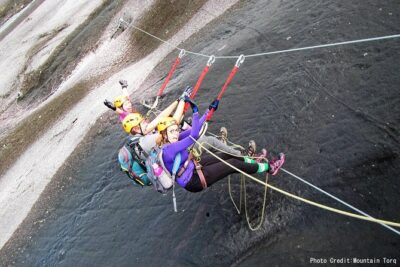
2d1n Mount Kinabalu Via Ferrata – Walk The Torq
Read our review →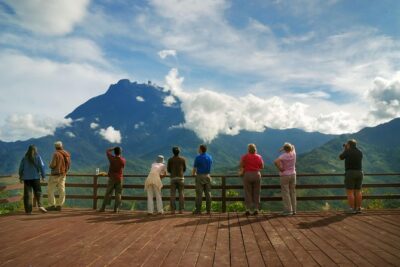
Kinabalu Park & Poring Hot Spring & Canopy Walk
Read our review →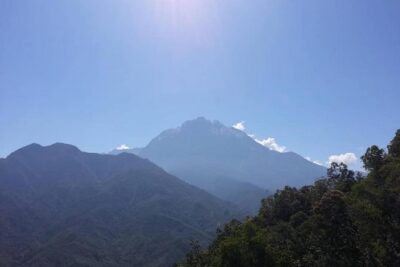

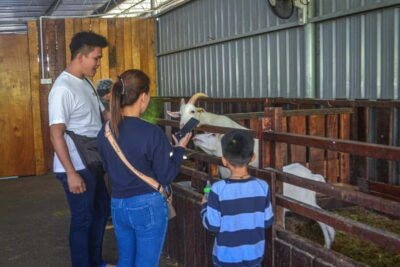
Kinabalu Park, Poring Hot Springs & Desa Farm Tour
Read our review →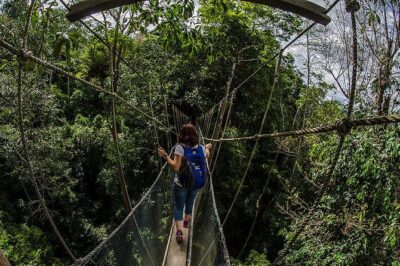
Full-Day Kinabalu Park and Poring Hot Spring Day Trip
Read our review →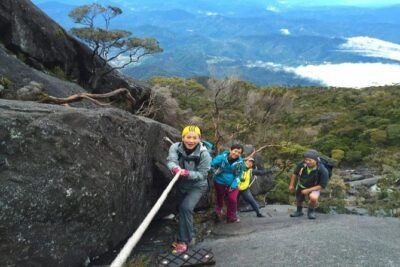
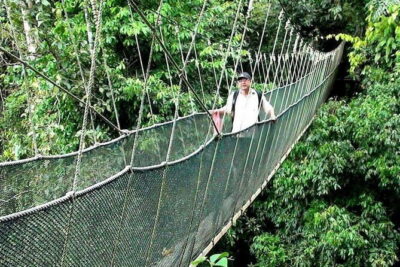
Browse the lists this tour appears in