
Reviewed · SARAWAK CULTURAL VILLAGE
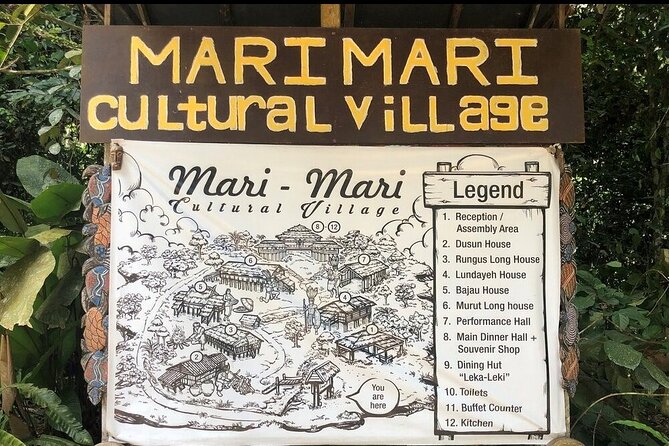
Mari Mari Cultural Village
Mari Mari Cultural Village is interesting because it turns Sabah culture into something you can watch and try, not just read about. You travel out of Kota Kinabalu for a short, guided daytrip that mixes live performances with practical, hands-on demonstrations.
I especially like the way you get time with the village setup itself, with tribe houses laid out so you can see how daily life and local skills get shown in real time. I also like that the tour includes lunch and snacks, so you do not end up paying for a meal right after the show.
The main consideration is that it is only about 3 hours, so you will see a lot but you will not have time for a slow, nature-heavy day. Also, if your hotel is outside the city area, there is an extra pickup charge.
Key Things to Know Before You Go
- Hands-on cultural demos instead of only watching from a distance
- Live dance showcases, including Magunatip bamboo dance by the Murut Tribe
- Try local skills like campfire-starting with natural tools and blow-pipe shooting
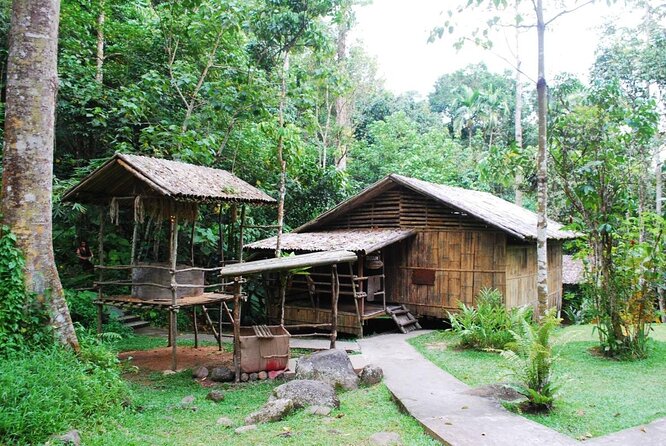
- Jump on the Lansaran, a trampoline-like built-in floor inside a tribe house
- Lunch and coffee or tea included, eaten outdoors in a village setting
- Small group size, with a maximum of 15 travelers
Kota Kinabalu to the Village: How the 3-hour timing works
This is a short tour by design, and that is the biggest reason it can be a good value. You get pickup and drop-off from your Kota Kinabalu accommodation, then settle into a guided visit that runs about 3 hours total.
In practice, the ride is part of the experience. You head out along long roads lined with lots of greenery under wide blue skies, so you feel the change from city pace to countryside quickly. The air-conditioned vehicle is a nice buffer, especially if you are coming in during hotter hours.
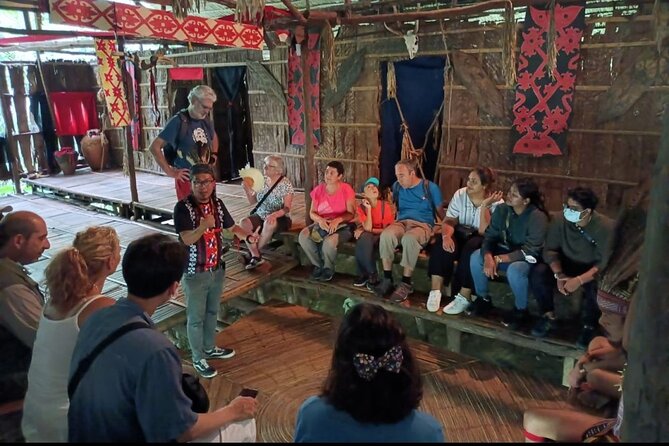
The group stays small, capped at 15 travelers, which matters when you want to ask questions or get instructions before you try an activity. This is the sort of tour where your guide can actually keep an eye on everyone, not just usher the group through.
One logistics note worth your attention: there are extra pickup charges for hotels outside Kota Kinabalu city area and the 1 Borneo Shopping mall area. If you are staying at the edge of town, check that you know whether you’ll be charged MYR30 per person.
Also, since pickup is part of the service, treat the pickup time seriously. If you are booking a morning slot, I’d strongly recommend a quick check-in with the provider the day before, and then keep an eye on the clock when pickup time passes.
More of the Sarawak Cultural Village:
- Kota Kinabalu: Mari Mari Cultural Village Tour with Lunch
★ 5.0 · 152 reviews - Mari-Mari Cultural Village Tour Including Lunch
★ 4.5 · 45 reviews - Sabah: Mari-Mari Cultural Village Visit + Lunch + transfer
★ 4.5 · 16 reviews
Inside the village: Tribal homes, family-friendly demos, real-life feel
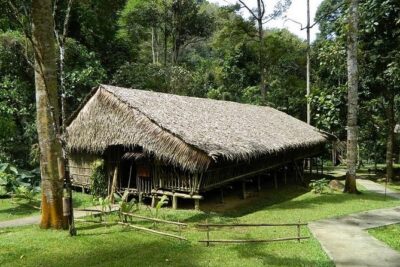
Mari Mari Cultural Village is laid out like a living introduction to Sabah’s indigenous communities. You walk past traditional huts where each tribe house shows culture, folklore, and everyday lifestyle practices through interactive demonstrations you can take part in.
What I like about this format is that it is structured but still informal. You do not just watch a staged show. You get to move around the village, listen to explanations from a local guide, and then jump into activities when your guide says it is your turn.
The demonstrations can feel like a mix of teaching and show-and-tell. You’ll see practical skills presented in ways that make sense for a visitor, like how locals might prepare tools, food, and clothing using what is available locally. Some parts are participatory, which is great if you want to do more than take photos and move on.
Because it is geared toward most travelers, you should not expect extreme difficulty. Still, it helps to wear comfortable shoes because you will spend time walking around on uneven, village-style ground. If you’re traveling with kids or family, this kind of interactive setup is often easier to manage than tours that require long hikes.
If you prefer pure wildlife or long jungle trekking, this may feel more like culture-and-skills than nature. You are choosing a village experience first, not a wilderness adventure.
Live performances: Traditional dance showcases and Magunatip bamboo
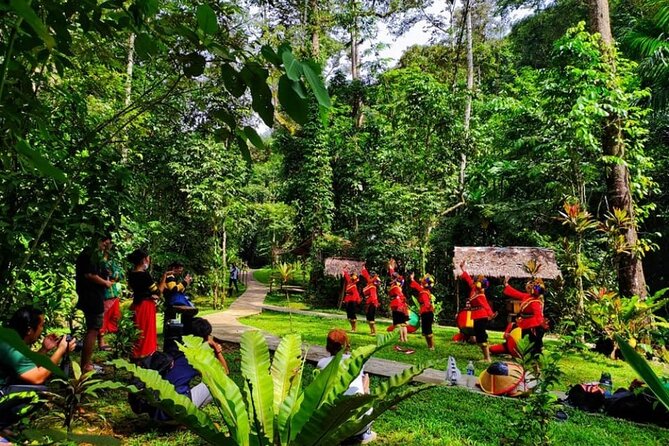
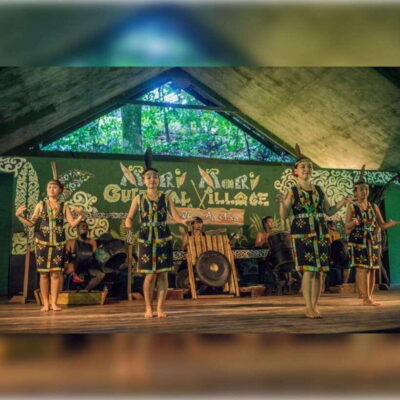
The performance side of the tour is a big draw, and it is not limited to one style. You get live entertainment during the visit, including a traditional dance showcase.
One standout is the chance to see Magunatip, a bamboo-dance associated with the Murut Tribe. Bamboo-dance is visually engaging because it is rhythmic and coordinated, and it gives you something you can track even if you do not know the story in advance. Your guide can help connect what you are seeing to the people and traditions behind it.
This is also where the village setting helps. Dancing inside a cultural village feels more grounded than a formal theater, because the performance is part of the overall demonstration rhythm. You are not waiting for hours between performances, either. It is built into the flow of your visit.
If you are a person who likes to understand context, be ready to ask quick questions during the pauses. A good guide will usually translate what the movements represent and why the dance matters to the community. The key is to stay engaged, since the whole tour moves at a steady pace.
The demo menu: Campfire tools, blow-pipe practice, warrior vests, and Lansaran
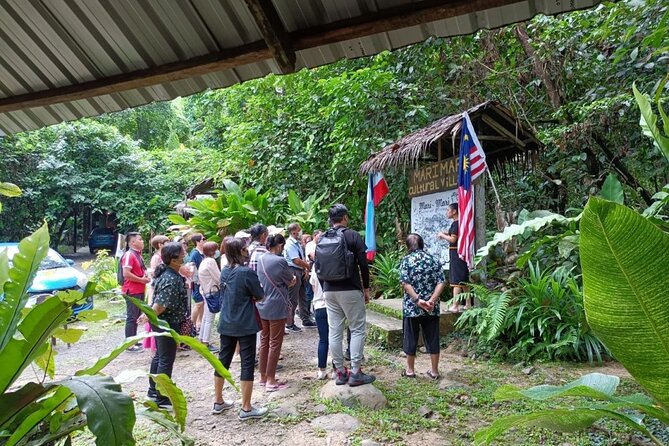
If you want a tour where your brain and hands both get used, this is one of the reasons Mari Mari works. You get a lineup of interactive demonstrations that go beyond generic “look and listen.”
Campfire without a lighter is one of the most memorable skills on the schedule. You learn a method for starting a fire using natural tools instead of modern convenience. Even if you never do it again after the tour, it helps you understand how traditional knowledge solves practical problems with what is at hand.
You can also try blow-pipe shooting. This is a classic Borneo skill demonstration, and it’s fun because you get instruction before trying, so you are not just watching someone else do it. It also gives you a respect level for the precision behind the tool and technique.
Food culture shows up too. You may have the chance for a rice-wine tasting, which is a direct way to experience a local tradition. Since this includes food and drink elements, it’s worth letting your guide know if you have any dietary restrictions. The tour does include lunch and snacks as well, so you will not go hungry.
Clothing and craft demonstrations are part of the mix too. You’ll see a traditional method for cutting tree barks to make warrior vests. It’s a hands-on cultural lesson in materials, process, and purpose, and it connects everyday plant resources to functional clothing.
Then there is the Lansaran, a built-in, trampoline-like floor inside one of the tribe houses. If you feel like it, you can jump for a prize tied to the activity. It’s playful, but it also shows how space within the house can be used in different ways, not just for sitting and storytelling.
A few more Kota Kinabalu options worth a look
- 2D1N Mount Kinabalu Climbing
★ 5.0 · 494 reviews - Guided Snorkeling Day Trip, Kota Kinabalu, Sabah, Malaysia
★ 5.0 · 282 reviews - Borneo (Klias) River Cruise & Fireflies Tour
★ 4.5 · 126 reviews - Bongawan Wetland: Proboscis Monkey and Fireflies Shared Tour
★ 4.2 · 125 reviews
Lunch in the village: What you’ll eat and why it matters
The tour includes lunch, plus coffee and/or tea. This is important because it means your daytrip does not become a guessing game of where to eat after the cultural programming.
The lunch is served as a buffet spread, and it is designed around Sabah’s cultural identity. You’ll also have snacks during the tour, so you should feel set for the full experience without needing extra stops.
Eating on-site, surrounded by nature and village structures, changes how the meal feels. It stops being just fuel. You get the sense that food is part of the culture demonstrations, not an add-on after the fact.
Practical tip: bring a water bottle if you tend to get thirsty easily. The tour includes coffee and/or tea, but having your own water helps you stay comfortable, especially when you are walking between demonstrations.
If you’re sensitive to spice or strong flavors, this is a good moment to speak up to your guide. The tour offers local dishes, so you’ll likely want to choose what feels safest for you first, then sample a bit more.
Price and value: What $100 is really buying you
At $100 per person, you should look at the package as a whole, not just the entertainment. What’s included is a local guide, live entertainment, an air-conditioned vehicle, and lunch with coffee or tea.
The value angle is simple: you are paying for transportation out of the city, time with a guide, multiple interactive stations, and a full meal. You do not have to rent a car or coordinate separate tickets. For many people in Kota Kinabalu, that convenience is worth a lot.
The group size also affects value. With a maximum of 15 travelers, the guide can manage questions and keep the flow moving without losing everyone. Smaller groups usually translate into less standing around and more participation.
One more thing to consider is time. At about three hours, you’re getting a dense experience without using an entire day. If your Sabah schedule is tight, this tour can fit nicely between other plans.
Price consideration: if you’re staying outside the pickup zones, factor in the MYR30 per person outskirt pickup charge. That can change the total cost for your specific accommodation, so check it early.
Who should book Mari Mari, and who might want to skip
I think this tour fits best if you want culture you can interact with. It’s ideal if you like demonstrations, live performances, and learning by doing, even if you only do each activity once under guidance.
It’s also a good choice if you’re visiting Kota Kinabalu with limited time and you want a structured experience outside the city. You get pickup and drop-off, so you are not spending energy figuring out transport.
Families often like this because it’s participatory and includes playful moments like the Lansaran. Most travelers can participate, which usually means there are no super strict physical requirements beyond normal walking.
You might want to choose something else if you’re looking for a long jungle day, a serious research-level cultural deep dive, or a quiet, slow nature stroll. Mari Mari is a guided cultural village visit, and that pace is part of the deal.
Also, if you hate group schedules or you really dislike trying new activities, you may feel rushed. The tour includes plenty of watching, but it is built for interaction.
Small gotchas to plan for (so your day runs smooth)
First, pickup time matters. One reason a trip can feel frustrating is when the tour schedule depends on hotel pickup. If you book a morning tour, confirm the pickup window the day before and be ready to step out on time. If pickup is late, you should have a contact method to resolve it quickly rather than waiting indefinitely.
Second, be aware of outskirt pickup charges. If you’re not in Kota Kinabalu city area or near 1 Borneo Shopping mall area, expect an additional MYR30 per person for the pickup service.
Third, bring your passport details at booking time. Passport name, number, expiry, and country are required for all participants. This is an easy step, but it can slow you down if you wait too long.
Fourth, plan for a mobile ticket. That’s included, so have your phone ready and your confirmation accessible.
Finally, wear comfortable shoes and dress for the outdoors. You’ll be moving around huts and village paths during the tour, and comfort helps you enjoy the demos instead of focusing on your feet.
Should you book Mari Mari Cultural Village?
I’d book it if you want a compact, guided cultural day with real activities: dance, campfire techniques, blow-pipe practice, food tasting elements, craft demonstrations, and the chance to jump on the Lansaran. With lunch and pickup included, it can be a straightforward way to get more out of your Kota Kinabalu visit.
Skip it if your ideal day is mostly quiet nature time, long hikes, or a slower, deep reading-style museum experience. This is an active cultural village tour, and the schedule moves.
If you do book, do two things to set yourself up for success: confirm pickup timing early, and bring comfortable shoes. That alone makes it much more likely you’ll spend those three hours enjoying the culture instead of worrying about logistics.
FAQ
How long is the Mari Mari Cultural Village tour?
The tour lasts about 3 hours.
How much does it cost?
The price is $100.00 per person.
Is lunch included?
Yes. Lunch is included, along with coffee and/or tea and snacks.
Do I get hotel pickup and drop-off?
Yes, pickup and drop-off are offered for Kota Kinabalu accommodations.
Are there extra charges for pickup outside the city area?
Yes. Outskirt hotel pickups have an additional charge of MYR30 per person.
How many people are in the group?
The tour has a maximum of 15 travelers.
What cultural activities and demonstrations are included?
You can expect live entertainment and interactive demonstrations such as traditional dance showcase, campfire starting with natural tools, blow-pipe shooting, rice-wine tasting, a bark-cutting craft related to traditional warrior vests, and the Lansaran trampoline-like floor activity. You may also see the Magunatip bamboo dance belonging to the Murut Tribe.
What happens after the village visit?
After the tour, you’ll be transferred back to your hotel.
What information do I need to book?
Passport name, number, expiry, and country are required for all participants.
Can I cancel or change the booking?
This experience is non-refundable and cannot be changed for any reason.
Recently reviewed in Kota Kinabalu
- Mount Kinabalu Climbing 3 Days 2 Nights★ 5.0 · 7 reviews
- Klias Wildlife Safari River Cruise from Kota Kinabalu★ 4.5 · 7 reviews
- Full Day Tour in Mantanani★ 5.0 · 9 reviews
- (2 Dives) Discover Scuba Diving Kota Kinabalu★ 5.0 · 9 reviews
- Private Desa Dairy Farm, Kinabalu National Park, Hot Spring & Canopy Walk Tour★ 5.0 · 9 reviews
- Sunset E-Foil Experience in Tanjung Aru Beach★ 5.0 · 10 reviews
- Kota Kinabalu City Day Tour & Filipino Market Shopping★ 4.5 · 10 reviews
- Island Hopping Tour (2 Island) From Kota Kinabalu★ 3.0 · 12 reviews
Sarawak Cultural Village, compared.
Mari-Mari Cultural Village Visit + Lunch + transfer
Read our review →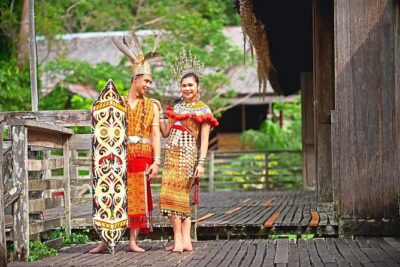

Semenggoh Orangutan Center & Sarawak Cultural Village
Read our review →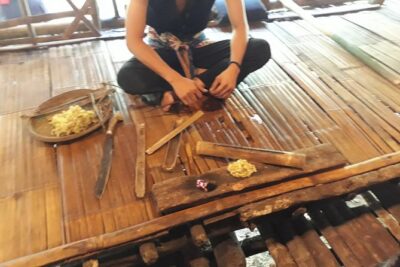
Half-Day Mari Mari Cultural Village from Kota Kinabalu
Read our review →
Browse the lists this tour appears in