
Reviewed · MOUNT KINABALU
Mount Kinabalu Climbing 3 Days 2 Nights
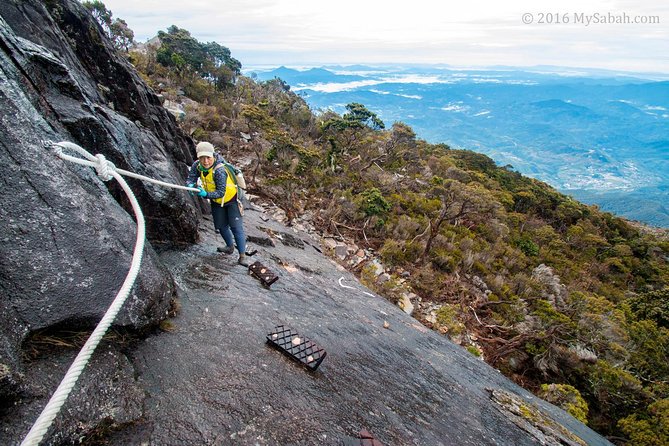
Mount Kinabalu is one of Borneo’s signature challenges, and a 3 days 2 nights setup makes it feel manageable instead of rushed. I like that the trip is built like a package, with the guide, permit, meals, and 2 nights accommodation handled for you, so your job is to show up and climb.
I also like the small group size (max 10) because it keeps things organized on a route that asks for attention and patience. One consideration: it is a real physical effort, and you’ll need good grip shoes, warm layers, and the stamina to handle an approximately 12 km round trip hike.
Key things I’d pay attention to before you book
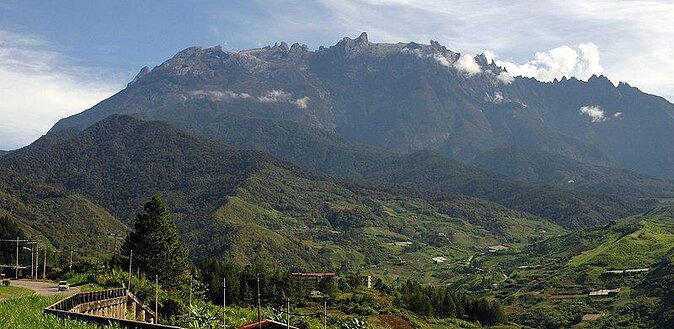
- Small group limit (10 travelers), which usually means less waiting around and easier guide support.
- Everything you need is packaged: mountain guide, climbing permit, insurance, 2 nights accommodation, and meals.
- Start is at Timpohon Gate (10:00 am), so plan your day around getting there on time in Kundasang.
- Bring warm and waterproof layers plus a good torchlight, because nights and early starts can be cold and dark.
- Porters cost extra, and tips are not included but are appreciated.
Why This Mount Kinabalu 3 Days 2 Nights Plan Feels Right
If you want a classic Sabah experience, Mount Kinabalu is hard to beat. The mountain is famous for being challenging, but this kind of 3 days 2 nights structure keeps the workload spread out across more than one day, which matters when the air gets cooler and your legs start negotiating with your brain.
What I like most is how little you have to manage day to day. You get hotel pickup and drop-off by seat-in-coach, a mountain guide on the climb, and the climbing permit is included. That is not just convenience, it is risk control, because paperwork and timing are the stuff that can ruin a trip.
The other big plus is the trip is designed for a range of hikers with a clear expectation: you should have a strong fitness level, and the climb is roughly 12 km round trip. That is a useful number. It tells you this is not a casual walk, but it is also not a months-long expedition.
More Mount Kinabalu trips:
- 2D1N Mount Kinabalu Climbing
★ 5.0 · 494 reviews - 2d1n Mount Kinabalu Via Ferrata – Walk The Torq
★ 5.0 · 90 reviews - Kinabalu Park & Poring Hot Spring & Canopy Walk
★ 4.5 · 80 reviews
Price and Logistics: Where the $1,200 Per Person Actually Goes
At $1,200 per person, this is not a budget outing. But it is also not just a guide and a pat on the back. The package includes your hotel pickup and drop-off (seat-in-coach), the mountain guide, insurance, the permit, and 2 nights accommodation, plus meals (breakfast, lunch, and dinner).
So when you look at value, you are paying for a long list of things that add up fast if you piece them together yourself. The included certificate of completion also matters emotionally, especially if this is a personal goal trip.
One more practical point: it is commonly booked far in advance, with an average booking lead time of about 213 days. If you have flexibility, you can sometimes find deals. If your dates are fixed, you’ll want to book early and then focus on packing and training.
The Small Group Advantage on a Route That Demands Focus
This tour caps at 10 travelers, and that size changes the vibe. On a mountain route, small-group travel is not a luxury theme, it is a workflow advantage. The guide can check in with you more easily, and you are less likely to be stuck waiting for someone who is lost or struggling.
You also get a guide who is available for assistance and support, plus planned breaks along the way to rest and refill water bottles. Breaks might sound basic, but on Kinabalu they help you keep steady pacing instead of doing the classic mistake, going too fast early and crashing later.
The age guidance is 18 to 50, which is not about being strict. It is about matching energy levels with the physical demands. If you are outside the range, you can still consider it, but your decision should be based on your fitness, cold tolerance, and comfort with early starts and uneven terrain.
Starting at Timpohon Gate: Your Day 1 Reality Check
Your day starts at Timpohon Gate, Kundasang, Sabah, Malaysia, with the activity beginning at 10:00 am. The day is built around hiking time and acclimation to conditions. Even if you feel good on the first steps, the mountain can change how your body works once you’re in it.
Your guide will show you where to go, and you’ll hike with plenty of breaks. Expect the early part to feel like steady work rather than a sprint. You’ll want to pay attention to your footing, because Kinabalu terrain rewards shoes with good grip, and “good enough” footwear can become a problem quickly.
This is also the point where your packing checklist becomes real. The tour asks for warm clothing, wind and water-proof layers, gloves, a hat, and a torchlight. Even if the day starts bright, night and early morning conditions can be cold and dark.
A few more Kota Kinabalu options worth a look
- Guided Snorkeling Day Trip, Kota Kinabalu, Sabah, Malaysia
★ 5.0 · 282 reviews - Kota Kinabalu: Mari Mari Cultural Village Tour with Lunch
★ 5.0 · 152 reviews - Borneo (Klias) River Cruise & Fireflies Tour
★ 4.5 · 126 reviews - Bongawan Wetland: Proboscis Monkey and Fireflies Shared Tour
★ 4.2 · 125 reviews
The Middle Day Push: Warmth, Water, and the Work Part
The itinerary is 3 days 2 nights, and the most demanding effort typically sits in the middle of trips like this. In practical terms, you should expect your strongest mental focus on the second day, when the climb asks you to stay disciplined even if you feel tired.
Your guide is there for support, so this is not a solo climb. Still, your success comes from how you manage basics: pace, water, and staying warm. The tour includes breaks to rest and refill water bottles, and that is your cue to slow down and do those small actions on schedule instead of waiting until you feel bad.
Cold management is a big deal on Mount Kinabalu. The packing list specifically calls for enough warm clothing, wind and water-proof items, and a complete set of dry clothes. That dry-clothes detail is not overkill. Getting sweaty, then cooling down, can make you feel miserable.
Also, the checklist recommends headache tablets and some simple medical supplies like plasters for cuts or blisters. That is a strong hint about what can happen when you do long hours and changing temperatures. I’d treat it as part of your plan, not as a sign of failure.
Day 3 Return: Finishing Strong and Earning the Certificate
You end back at the meeting point. That means you’re hiking out, closing the loop, and returning to your starting area rather than getting dropped somewhere else. For many people, this feels psychologically clean, because the trip becomes a single defined goal.
One of the nice details in the package is that you leave with a certificate of completion. It is not just paperwork. When you finish a demanding climb, a tangible memento makes the effort feel “real,” especially if you took it one difficult step at a time.
By the final day, your goal is simple: keep moving safely, protect your feet, and hydrate. If you packed a second pair of shoes or a pair of sandals as suggested, you’ll likely appreciate it after the hike. Changing into something more comfortable is a small luxury that helps you enjoy the rest of your time in Sabah.
Hotel Pickup, Seamless Transfers, and Why It Matters Here
This tour includes hotel pickup and drop-off (seat-in-coach). That does two things for you. First, it reduces stress, because you do not have to figure out how to get to Kundasang and back. Second, it helps keep the climb on schedule. Mount Kinabalu trips are timing-sensitive, especially around early starts and coordination with permits.
There is also a mobile ticket mentioned. That is handy if you prefer less paper and more quick access on your phone. On a trip that involves cold conditions and long days, anything that reduces admin time is a win.
The start and end being tied to the same meeting point also simplifies your planning. You can build your other Kota Kinabalu plans around the return, instead of guessing where you’ll end up.
What’s Included, What’s Not: Meals, Permits, Insurance, and Extras
Here is the practical breakdown. The tour includes:
- Mountain guide
- Insurance
- Climbing permit
- Certificate of completion
- 2 nights accommodation
- Breakfast, lunch, dinner
It also covers all entrance fees and meals, according to the tour overview. That is valuable because meals on mountains are often expensive or limited. Having food handled lets you focus on eating what your body needs, especially high-energy snacks.
What is not included:
- Airfares
- Alcoholic drinks
- Any item not mentioned
- Optional tipping and porter fee
- Personal travel insurance (even though insurance is included in the package, you may still want your own policy depending on your situation)
Two “budget reality” notes. Porter fees are extra, so if you plan to carry less, expect additional cost. Tips are not included, but they are appreciated, so it is smart to bring some cash for that.
Packing for Kinabalu: Use the Tour’s Checklist, Then Upgrade One Thing
The tour is pretty specific about what you should bring, and that specificity is useful. Here’s what stands out for me as “must match the conditions” items:
- Shoes with good grip (tennis or gym shoes are fine, but traction matters)
- Warm layers and wind and water-proof clothes
- A water bottle
- Gloves, hat
- A good torchlight
- A complete set of dry clothes
- High-energy foods like chocolate, nuts, raisins, or glucose sweets
- Paper tissues, plastic bags, and plasters for cuts or blisters
You’re also advised to have a second pair of shoes or a pair of sandals. I like that this is explicitly suggested, because foot comfort after the climb can make your whole Day 3 experience better.
One small upgrade you might consider if you already have it: blister care. The list mentions plasters, but if you’ve dealt with hotspots before, extra blister support can keep a long day from becoming a painful one.
Weather, Terrain, and Fitness: How to Judge If This Is Your Climb
You’ll hike about 7 miles (12 km) round-trip, which is meaningful. The route includes breaks, and your guide will be there, but the climb still asks for steady effort.
The trip is recommended for ages 18 to 50, and it also says you should have strong physical fitness. That combination tells you this is aimed at adults who can handle an all-day hike pace plus some elevation challenge.
If you are the kind of traveler who can do a long day walk comfortably, you’ll probably do well. If you’re mostly comfortable with short outings, I’d treat this as a serious stretch goal and train a bit before you come.
How TYH Borneo Handles the Human Side: Fast Replies, Flexible Support
A lot of the praised experience here is not the mountain itself, it’s the people handling the details. The reviews call out responsiveness and smooth communication, and they specifically mention John Tan and another “Mr John” by name.
That matters because on a climb, the plan can change. You might want different transport timing, or you might have needs that are not part of the default script. The positive feedback highlights that the team tried to fulfill requests and arranged alternatives when possible.
There’s also a strong signal around coordination quality. One review mentions schedules being on time and arrangements being managed well. Another mentions TYH securing a private dorm at Laban Rata for a group, which suggests they can work with lodging options depending on availability.
The takeaway for you: if you have a request, ask early. A responsive agent is helpful, but your best chance comes from clear communication and enough lead time.
Porter Fees and Tips: Small Costs That Should Be Planned
This tour makes it clear that porter fees are extra and that tips are not included but appreciated. That is common on guided mountain climbs in general, but it’s still worth planning for.
If you carry everything yourself, you might not need porters. If you want to reduce weight, you will likely use them, and the cost should be handled outside the main package price.
For tipping, think of it as recognizing the guide and support team. You do not need to overthink it, but having a small budget set aside keeps you from scrambling at the end.
Certificates, Insurance, and the Real Safety Net
Insurance is included in the package. That gives peace of mind, especially on a hike where slips and fatigue are real risks. It does not replace common sense, but it adds protection to the plan.
The certificate of completion is a nice finish, but the real safety net is the combination of permit handling, a guide on the route, and insurance. Those are practical, not symbolic. You are paying to reduce friction so your energy goes into the climb.
Should You Book This Mount Kinabalu 3D2N Tour?
Book it if you want an organized Mount Kinabalu climb with permits, insurance, guide support, meals, and transfers already in place. You’ll like the small group size and the structured pacing with breaks, and you’re the type who takes packing seriously.
Skip or reconsider if you dislike physical challenges, struggle with cold conditions, or you want a very flexible do-it-yourself itinerary. This package runs like a plan because permits and mountain timing matter.
If you do book, prepare early and pack well. The biggest “win” on Kinabalu is staying comfortable enough to keep your pace steady, so your feet and warmth are taken care of from Day 1.
FAQ
What is the duration of this Mount Kinabalu climb?
The trip is 3 days and 2 nights.
Where does the tour start, and what time does it begin?
It starts at Timpohon Gate, Kundasang, Sabah (Mount Kinabalu Park), 89300 Kundasang, Sabah, Malaysia at 10:00 am.
How many people are in each group?
The group size has a maximum of 10 travelers.
What is included in the price?
The package includes hotel pickup and drop-off (seat-in-coach), mountain guide, insurance, climbing permit, certificate of completion, 2 nights accommodation, and meals (breakfast, lunch, dinner).
What meals are provided?
You get breakfast, lunch, and dinner during the trip.
What costs are not included?
Airfares are not included. Also not included are porter fees and optional tipping, alcoholic drinks, personal travel insurance (separate from the included insurance), and any item not mentioned.
Do I need my own hiking permit?
No. The climbing permit is included in the tour.
What should I bring for the climb?
Bring shoes with good grip, warm clothing, wind and water-proof items, a water bottle, high-energy foods, gloves, hat, good torchlight, a complete set of dry clothes, a second pair of shoes or sandals, headache tablets, paper tissues, plastic bags, and plasters for cuts or blisters.
Is there a refund if I cancel?
No. This experience is non-refundable and cannot be changed for any reason.
Recently reviewed in Kota Kinabalu
- Klias Wildlife Safari River Cruise from Kota Kinabalu★ 4.5 · 7 reviews
- Full Day Tour in Mantanani★ 5.0 · 9 reviews
- (2 Dives) Discover Scuba Diving Kota Kinabalu★ 5.0 · 9 reviews
- Private Desa Dairy Farm, Kinabalu National Park, Hot Spring & Canopy Walk Tour★ 5.0 · 9 reviews
- Sunset E-Foil Experience in Tanjung Aru Beach★ 5.0 · 10 reviews
- Kota Kinabalu City Day Tour & Filipino Market Shopping★ 4.5 · 10 reviews
- Mari Mari Cultural Village★ 4.5 · 11 reviews
- Island Hopping Tour (2 Island) From Kota Kinabalu★ 3.0 · 12 reviews
Mount Kinabalu, compared.
2d1n Mount Kinabalu Via Ferrata – Walk The Torq
Read our review →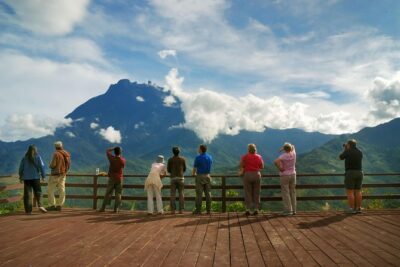
Kinabalu Park & Poring Hot Spring & Canopy Walk
Read our review →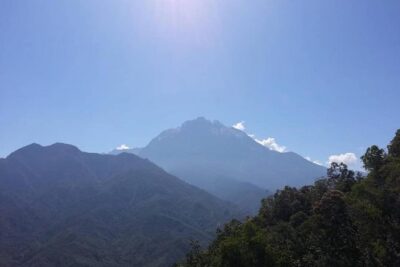
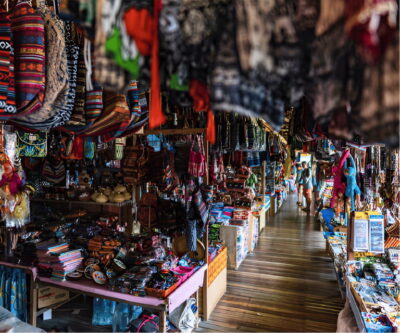
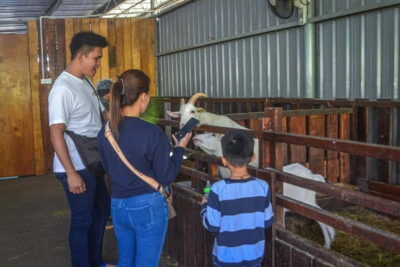
Kinabalu Park, Poring Hot Springs & Desa Farm Tour
Read our review →
Private Desa Dairy Farm, Kinabalu National Park, Hot Spring & Canopy Walk Tour
Read our review →Browse the lists this tour appears in