
Reviewed · COOKING CLASSES
Sabah Traditional Authentic Cuisine Cooking Class 3 Hours
Sabah food classes are interesting when they feel like you are stepping into someone’s real kitchen routine, not following a script. This one is built around hands-on Sabah cooking led by true blue locals, with a 3 hour session that ends with you eating what you made.
I especially like the teaching style: you get detailed explanations of ingredients and cooking techniques, not just a quick how-to. I also like that you leave with a recipe copy you can actually use at home. The main drawback to plan around is that the class is primarily indoors, so if you are hoping for a mostly outdoors vibe, you’ll want to ask about the night or outdoor/campsite arrangement.
Key highlights worth clocking
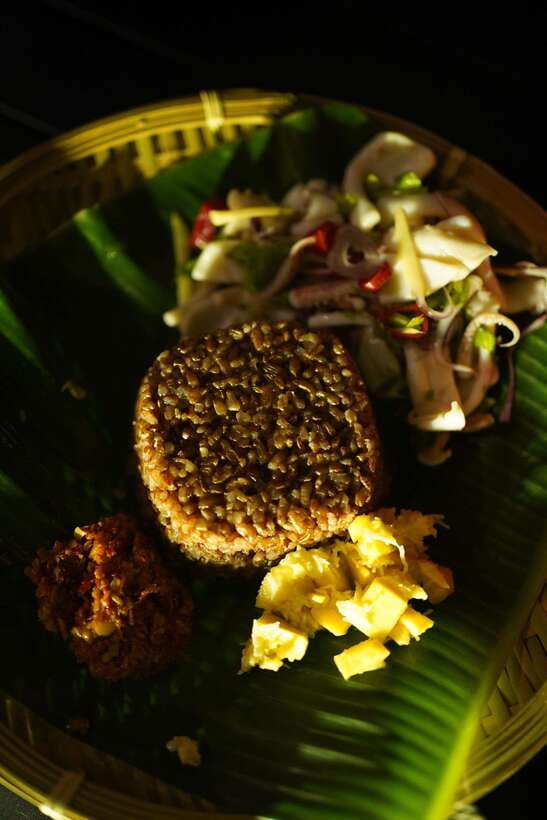
- Original Sabah cuisine class format, with a track record of repeat participants from many countries
- Local master chefs like Auntie Cindy, Auntie Winnie, and Chef Bonny guiding you step by step
- Fresh ingredients prepared for the workshop, with time focused on cooking, not rushing prep
- Recipe handouts to keep, plus the payoff of lunch you cooked yourself
- Dietary flexibility including vegetarian, no pork, and gluten free (tell them ahead of time)
- Downtown Kota Kinabalu hotel pickup, which makes the 10:00 to 1:00 schedule easier to manage
A 3-hour Sabah cooking class in a real kitchen routine
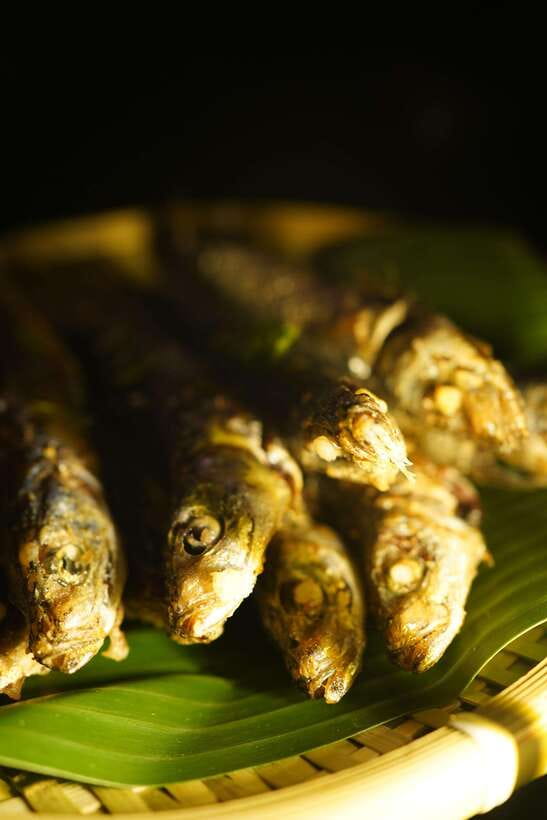
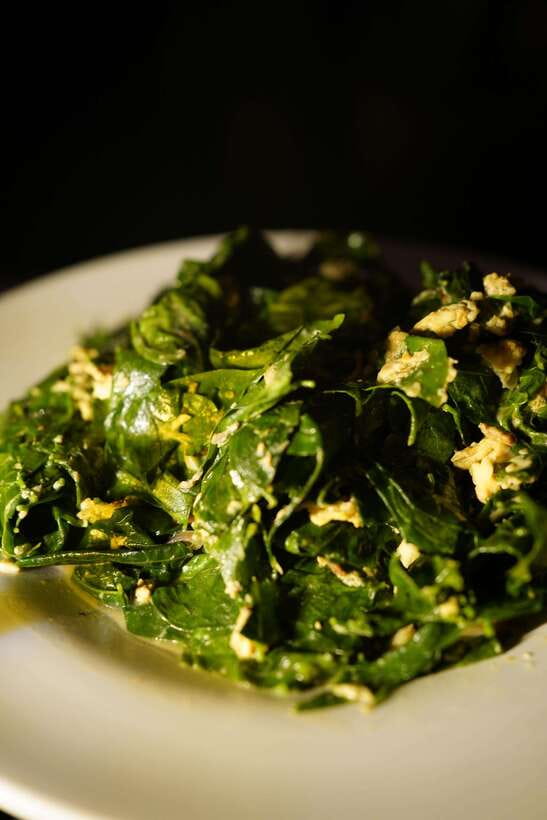
This Sabah Traditional Authentic Cuisine Cooking Class is a good pick if you want food that tastes like it belongs in Borneo, and you want the “why” behind the flavors as much as the final dish. The format is simple and human: you show up, meet your local cooks, get your ingredients, and then you cook with guidance until lunch is ready.
What makes it work well for most visitors is the balance. It is not so hands-off that you feel like a spectator. At the same time, it is not so rushed that you feel lost. You’ll be fed too, since the class is designed to end with you savoring what you cooked.
The other practical win is timing. A 10:00am to 1:00pm session is long enough to learn real technique, but short enough that you still have your afternoon free for the rest of Kota Kinabalu. And if you like the idea of a different setting, the organizers say night classes and outdoor/campsite sessions can be arranged.
More cooking classes in Kota Kinabalu:
- Penang Cooking Class:Dive into Malaysian Cuisine with PenangChiak
★ 5.0 · 149 reviews - Chef Samuel’s Private Malaysian Cooking Class with Wet Market Tour
★ 5.0 · 92 reviews - Malaysia Cooking Classes With Local
★ 5.0 · 87 reviews
Meet the locals: Auntie Cindy, Auntie Winnie, and Chef Bonny
This class is hosted by local master chefs with deep familiarity with Sabah food culture and food history. The names you’ll see tied to the experience are Auntie Cindy, Auntie Winnie, and Chef Bonny, and the vibe is very “local family knowledge,” not lecture mode.
In particular, Auntie Winnie and Auntie Cindy come up repeatedly in the feedback, and that matters because it hints at the teaching style. You are not just getting cooking steps. You are getting ingredient stories, plus practical context like how Sabah cooking styles and flavors show up in real meals.
Language support is also a real help if your Malay is basic. The class can be run in English, Malay, Chinese, and Traditional Chinese, so you are less likely to misunderstand the key steps.
If you are someone who values warmth in a small-group setting, this is the kind of activity that usually lands well. Many people come away talking about the hosts as much as the food, especially when the cooking happens at a home terrace or in a calm residential setting.
What you cook (and the ingredients you’ll learn to respect)
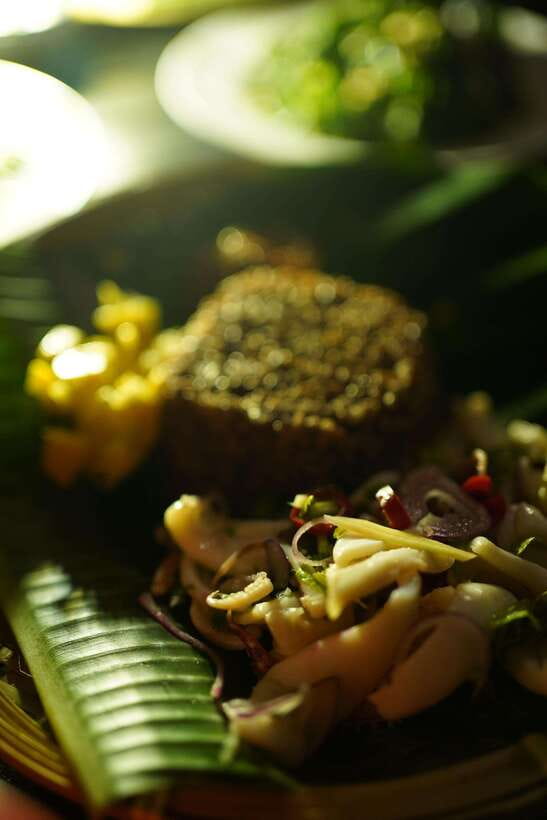
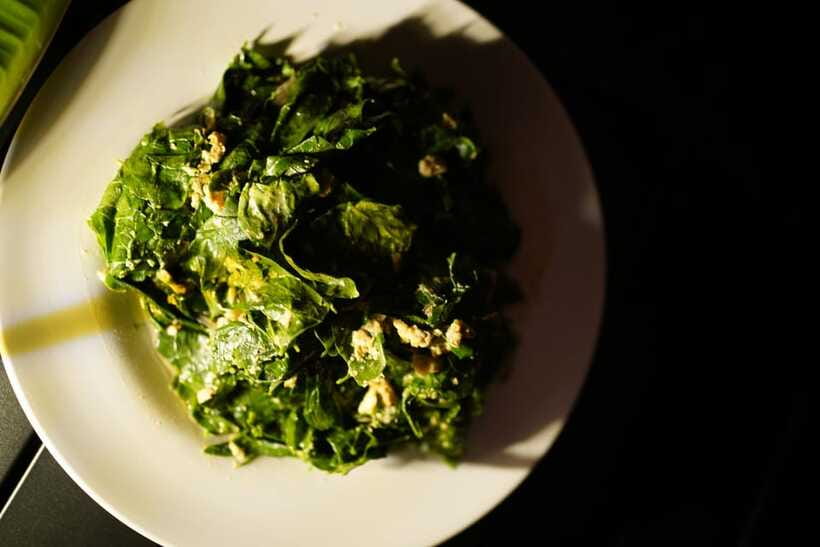
Sabah cuisine has a distinct voice, and this class is built to teach that voice through ingredients and method. The workshop focuses on local fresh ingredients and includes in-depth explanation of history, culture, cooking style, and taste.
Even if you do not know Sabah ingredients by name, you can still follow the lesson because the cooks explain what each ingredient does in the flavor. One useful signal from past sessions is that instructors highlight ingredient flavors you might not have met before, like bunga kantan, lemongrass, and jungle garlic. That gives you a taste of what makes the regional cuisine feel different from what many people expect from Malaysian food.
Here’s the real value for you: you learn how to think about seasoning and balance, not just how to copy a dish. When the instructor ties ingredient choices to taste, you start cooking smarter later. That’s why these classes often outperform a one-off meal tasting.
One small note: the class organizers say ingredients are prepared in the workshop and the focus is on cooking. So you should not expect a long, dramatic “start from scratch” agricultural tour. You’ll still get the benefit of prep being handled, which keeps the class on track.
The flow of the morning: pickup, kitchen prep, and lunch you made
Here’s the practical rhythm you can plan around, based on the way the workshop is described.
A few more Kota Kinabalu options worth a look
- 2D1N Mount Kinabalu Climbing
★ 5.0 · 494 reviews - Guided Snorkeling Day Trip, Kota Kinabalu, Sabah, Malaysia
★ 5.0 · 282 reviews - Kota Kinabalu: Mari Mari Cultural Village Tour with Lunch
★ 5.0 · 152 reviews - Borneo (Klias) River Cruise & Fireflies Tour
★ 4.5 · 126 reviews
1) Hotel pickup from downtown Kota Kinabalu
The experience includes free pickup from hotels in downtown Kota Kinabalu only. If your hotel is outside that zone, you might need to arrange your own way to the cooking location, so it’s worth checking your exact hotel area before booking.
This pickup timing matters because you’re starting at 10:00am. You’ll arrive with less hassle, and you won’t waste your energy on navigation.
2) Arrive and meet your hosts
Once you arrive, you’ll meet the local chef host, commonly one of the named instructors (Auntie Cindy, Auntie Winnie, or Chef Bonny). The first part sets the tone: you get the context for what you are making and why the ingredients matter in Sabah cooking.
The setting is primarily indoors, though some sessions can be arranged outdoors or at a campsite. If you are sensitive to strong kitchen heat, the indoor structure helps keep conditions more predictable.
3) Ingredient explanation, cooking style, and hands-on work
The class is structured around full detailed explanation and hands-on cooking. That’s the key difference between this and watching someone else cook.
You’ll go step by step and learn the cooking style behind the dishes. You also get a chance to understand flavor outcomes, which is what makes your lunch feel like a lesson instead of just a meal.
One useful practical tip from past participants is to avoid eating a heavy meal right before class. If you come stuffed, you’ll miss the fun of tasting and adjusting as you cook.
4) Time to eat what you cooked
The payoff is straightforward. After you prepare the cuisine, you get to savor your own masterpiece for lunch. That means your effort translates into a satisfying meal right away, not a dish you pack away and forget.
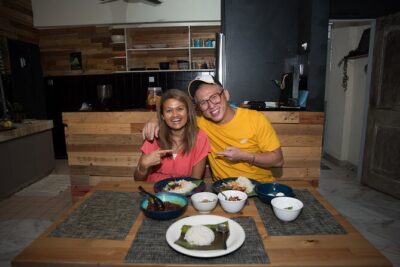
This is also a good moment for photos, since you will be sitting with food you made, in a real home-style setting.
5) Take home a recipe copy
You leave with a copy of the recipes. The experience also notes you can take home or consume your cooking results at the location. Either way, you get something tangible for the effort, which makes the class feel more worth it long after your vacation ends.
Recipe handouts that actually help you cook later
A lot of cooking classes give you a vague list and call it a day. This one gives you a recipe copy to keep, and that small detail changes the value for me.
Why? Because the goal is not just to taste Sabah. It’s to bring home the ability to cook Sabah style again. When you have the steps written down, you can recreate the dish, adjust spice or herbs you can find locally, and remember what the instructor said about taste balance.
Also, the class is run by local cooks who explain ingredient choice and cooking style, so the recipe makes more sense. You are not just copying measurements. You understand the logic behind the flavor.
Dietary needs: what can be arranged ahead of time
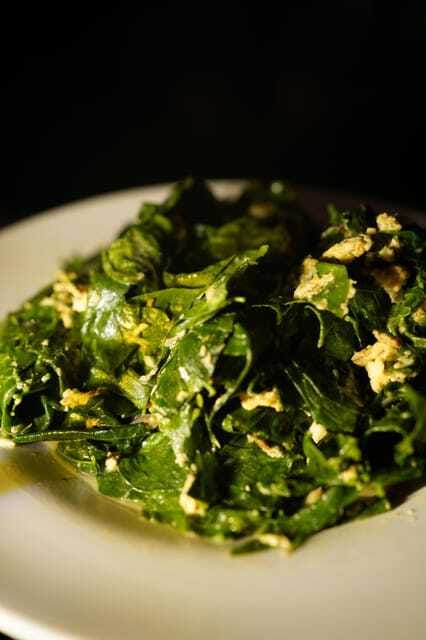
If you need dietary flexibility, this workshop is set up for it. They say they can cater for vegetarian, no pork, gluten free, and other diets, as long as you let them know beforehand.
That matters because cooking classes can be tricky for special diets when instructors are forced to improvise. Here, the note is clear: tell them your needs in advance so the class can adapt.
If you are picky about cross-contact, still ask a direct question when you book. The information provided confirms dietary options, but it doesn’t spell out cross-contact rules. A quick message can save you from surprises.
What is included, and the small “don’t forget this” items
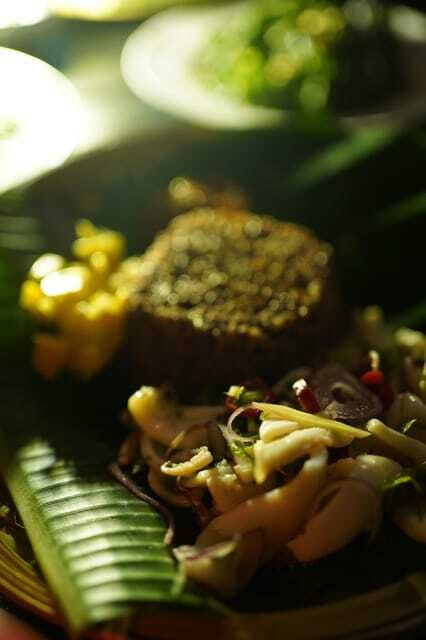
The included pieces are refreshingly straightforward:
- Indoors cooking workshop for 3 hours
- Hosted by a local chef (Auntie Cindy, Auntie Winnie, or Chef Bonny)
- Ingredient explanation and teaching
- Recipe copy to keep
- Ingredients prepared for the workshop
- Lunch from what you cook
- Hotel pickup from downtown Kota Kinabalu
Not included: utensils and crockeries.
That sounds minor, but it can matter if you are used to a fully equipped commercial kitchen. In practice, most kitchens handle the cooking tools. Still, if you have any preference or limitation, you should confirm what you can bring or what will be provided. The information only explicitly says utensils and crockery are not included, so don’t assume they will supply everything you personally want.
Here’s the other small consideration: the class is primarily indoors, and the session runs from 10:00am to 1:00pm. If you have a tight schedule immediately after, give yourself a buffer for the end of lunch and getting back.
Price and value: is $50 a fair deal?
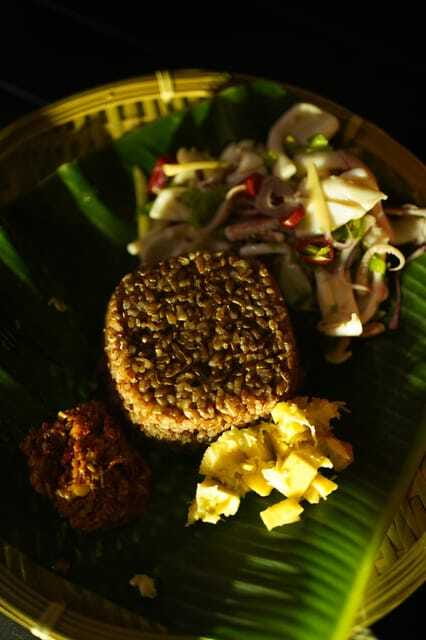
At $50 per person for a 3 hour cooking class that includes pickup (downtown only), ingredient prep, instruction, and a recipe copy, the value is actually strong.
Here’s why. You are not paying for a short tasting. You are paying for hands-on coaching that ends with a meal, plus the ability to cook later from your notes. And you’re doing it with locals who teach food history and culture in context, which is usually what people mean when they say they want an authentic experience.
When cooking classes feel overpriced, it’s usually because they are demo-heavy, rushed, or give you little to take home. This one tries to avoid that by centering the cooking and giving you recipes to keep.
There is also a “value of convenience” built in. Hotel pickup from downtown Kota Kinabalu reduces friction. It’s one less thing to arrange during a trip.
If you’re traveling with friends, you can often compare this to doing a self-guided food tour plus a cooking add-on. A class like this is frequently the more structured way to get both local flavor and technique.
Who this Sabah class suits best
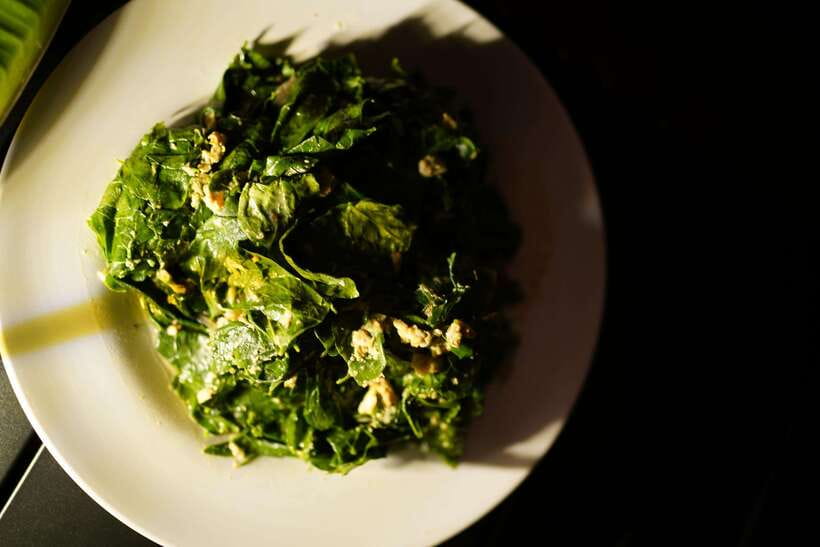
This experience is a great match if:
- you want real Sabah cooking techniques, not just a show-and-tell demo
- you like learning from people like Auntie Winnie, Auntie Cindy, or Chef Bonny
- you’d rather eat lunch that you made with guidance than hunt for another meal on your own
- you want dietary options like vegetarian, no pork, and gluten free handled ahead of time
- you prefer a small, indoor-to-home setting over a big commercial cooking setup
It may be less ideal if:
- your schedule cannot handle a 10:00am start
- you are expecting a fully outdoor, all-weather activity (the workshop is primarily indoors)
- you are staying well outside downtown Kota Kinabalu and pickup logistics matter to you
If you’re a solo traveler, you’ll still likely enjoy the class because it is focused and guided. Just come ready to cook and taste, and you’ll get your money’s worth.
Quick planning notes you can act on now
- If you want a night class or an outdoor/campsite arrangement, ask early. The experience notes those options exist as special arrangements.
- Eat lightly before you go. One practical tip from past participants is to skip a big meal right before class so you can enjoy the cooking and tasting.
- If you have dietary restrictions, message them before arrival. They say they can cater for vegetarian, no pork, and gluten free.
- Bring your appetite. The session ends with lunch you made, and the pacing assumes you will actually taste what you cooked.
Should you book this Sabah traditional cuisine class?
Yes, I think you should book it if you want a structured way to learn Sabah cooking from local chefs and you value hands-on teaching. For $50, you’re getting more than a meal. You’re getting instruction, a recipe handout you can keep, and the payoff of eating what you cooked within a half-day window.
If you are the type who needs everything to be outdoors, or you are not in downtown Kota Kinabalu and you hate figuring out transport, you may want to think twice or confirm pickup and the setting options first. But for most visitors, this is one of the most straightforward ways to get authentic Sabah flavors plus real technique in a short time.
FAQ
How long is the Sabah Traditional Authentic Cuisine cooking class?
It lasts 3 hours, typically running from 10:00am to 1:00pm.
How much does it cost?
The price is $50 per person.
Is hotel pickup included?
Yes, pickup is included for hotels in downtown Kota Kinabalu only.
What languages are offered?
The class can be conducted in English, Malay, Chinese, and Traditional Chinese.
Is the class indoor or outdoor?
It is primarily conducted indoors. Special arrangements can be made for night classes or outdoor/campsite sessions.
What is included in the price?
You get the cooking workshop and journey through Sabah cuisine, hosted by a local chef, ingredient and cooking explanations, a 3 hour session, a recipe copy to keep, and ingredients prepared for the workshop. You also eat the food you prepare.
What is not included?
Utensils and crockeries are not included.
Can the class accommodate dietary restrictions?
Yes. They can cater for vegetarian, no pork, gluten free, and other diets if you tell them beforehand.
Do I get recipes to take home?
Yes. You receive a copy of the recipes to keep.
What is the cancellation policy?
You can cancel up to 24 hours in advance for a full refund.
Recently reviewed in Kota Kinabalu
- Mount Kinabalu Climbing 3 Days 2 Nights★ 5.0 · 7 reviews
- Klias Wildlife Safari River Cruise from Kota Kinabalu★ 4.5 · 7 reviews
- Full Day Tour in Mantanani★ 5.0 · 9 reviews
- (2 Dives) Discover Scuba Diving Kota Kinabalu★ 5.0 · 9 reviews
- Private Desa Dairy Farm, Kinabalu National Park, Hot Spring & Canopy Walk Tour★ 5.0 · 9 reviews
- Sunset E-Foil Experience in Tanjung Aru Beach★ 5.0 · 10 reviews
- Kota Kinabalu City Day Tour & Filipino Market Shopping★ 4.5 · 10 reviews
- Mari Mari Cultural Village★ 4.5 · 11 reviews
Cooking Classes, compared.
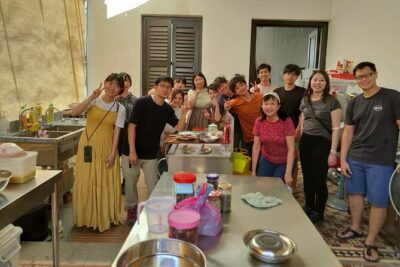
Penang Cooking Class:Dive into Malaysian Cuisine with PenangChiak
Read our review →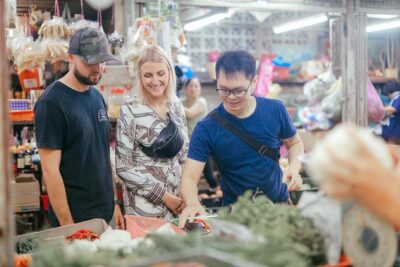
Chef Samuel’s Private Malaysian Cooking Class with Wet Market Tour
Read our review →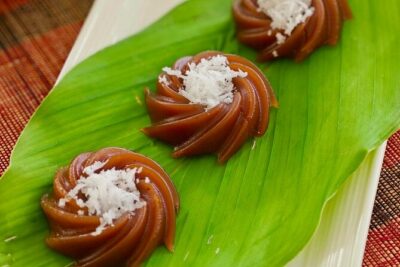
New Malaysian Kitchen Cooking Class and Garden Tour
Read our review →
Market Visit & Private Hands-on Cooking Class at Daun Senja
Read our review →
Malay Culinary Journey Cooking Class for the Adventurous Foodie
Read our review →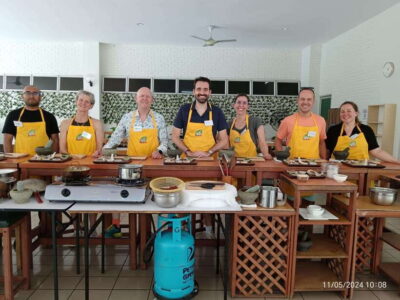
Browse the lists this tour appears in